


Key Points
- PEI Licensing initiates trademark litigation against Pudgy Penguins NFT brand.
- Heritage clothing brand challenges crypto company’s penguin-themed merchandise.
- Legal action seeks injunction, damages, and product destruction.
- NFT project argues its branding differs significantly from plaintiff’s marks.
- Ruling could establish important precedent for digital brands and legacy trademarks.
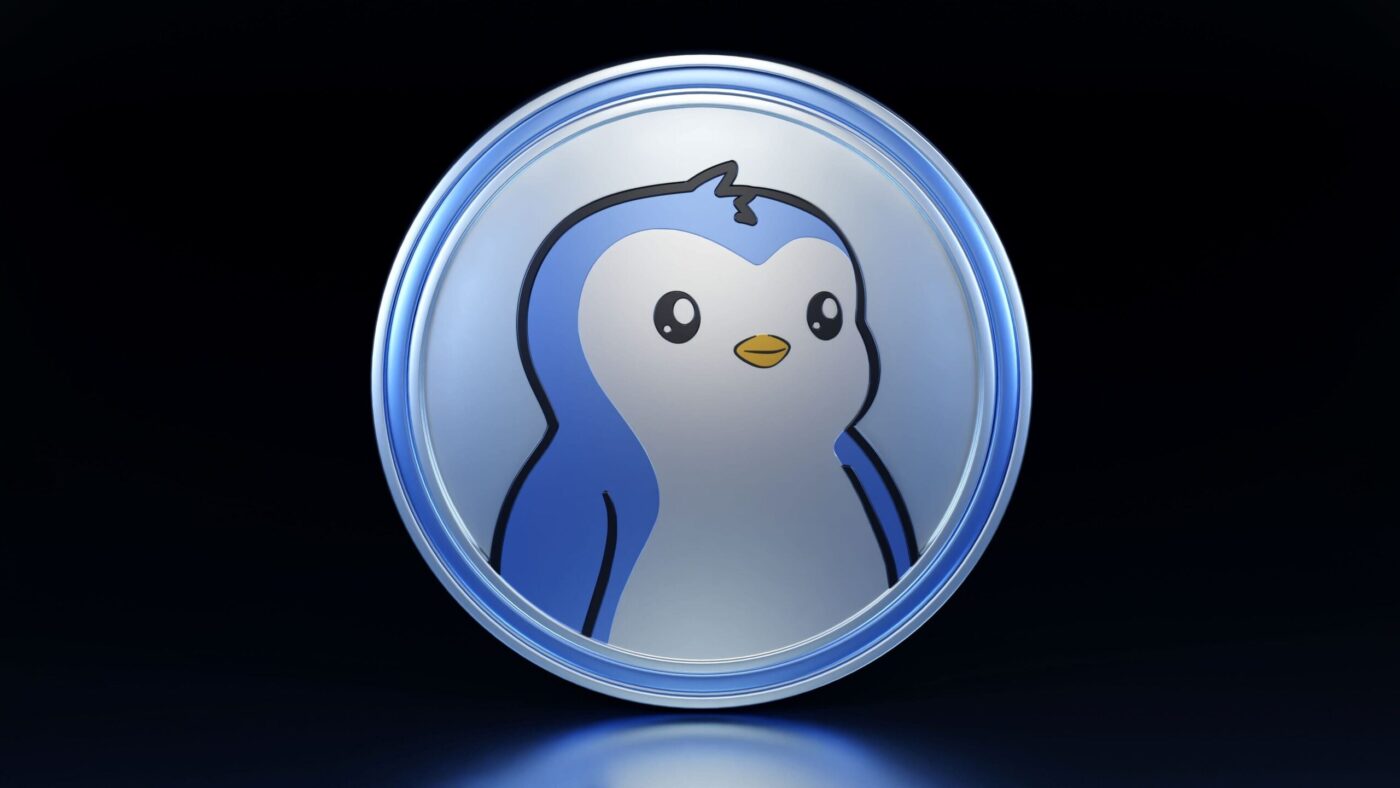
PEI Licensing, the parent entity of Original Penguin, initiated legal proceedings against Pudgy Penguins in Florida’s Southern District Court. The complaint centers on allegations that the NFT-based company utilized penguin imagery and related branding without proper authorization. According to the filing, the digital collectibles brand violated established trademark protections held by the heritage fashion label.
The licensing firm managing Original Penguin contends that Pudgy Penguins’ branding elements and penguin-themed designs generate consumer confusion in the marketplace. PEI specifically pointed to similarities in clothing items and headwear categories. The legal petition aims to halt continued commercial use of these contested marks.
Additionally, the complaint demands financial restitution based on revenue generated from the disputed products. PEI seeks court orders requiring destruction of all merchandise featuring the challenged marks. The company also requests intervention to block pending trademark filings submitted by Pudgy Penguins to the United States Patent and Trademark Office.
Complaint Centers on Merchandise and Brand Identity
The legal filing asserts that Pudgy Penguins engaged in practices that breach unfair competition regulations. PEI’s attorneys contend these activities have harmed the established brand’s market standing and consumer trust. The complaint provides specific examples where penguin-themed designs in garments overlap with Original Penguin’s protected intellectual property.
PEI highlighted that the crypto brand submitted trademark applications for terminology including “Pengu Nation.” These filings encompass product categories already protected under PEI’s existing registrations. The plaintiff argues such applications would undermine market clarity and dilute brand identity.
According to court documents, the NFT company persisted in using contested marks following prior legal notifications. PEI dispatched a formal cease-and-desist communication in October 2023. The licensing company subsequently filed formal opposition proceedings with the USPTO during 2024.

NFT Brand Issues Statement on Legal Challenge
Representatives from Pudgy Penguins expressed astonishment at the lawsuit’s filing. The organization stated that confidential negotiations had been underway to address potential conflicts amicably. The company emphasized that its trademarked designs possess clear visual differences from Original Penguin’s intellectual property.
The blockchain-based brand noted it has successfully obtained numerous USPTO approvals for its trademark portfolio. Pudgy Penguins emphasized its focus on distinct customer demographics and market segments compared to Original Penguin. Company officials expressed assurance that judicial review will validate their position.
The legal petition additionally demands that Pudgy Penguins discontinue all deployment of penguin-inspired branding elements. PEI requests removal of any merchandise that might create marketplace confusion. The licensing firm maintains surveillance of the NFT brand’s retail operations and digital commerce platforms.
Pudgy Penguins emerged as an Ethereum-based NFT project in 2021, quickly establishing itself as a prominent crypto brand. The company expanded into physical merchandise with toy products available at mainstream retailers and introduced PENGU, a Solana-blockchain cultural token. Industry reports indicate the collection achieved sales exceeding $10 million during its inaugural year.
This litigation highlights mounting tensions between established intellectual property holders and blockchain-based commercial ventures. PEI Licensing traces its penguin design rights to 1956. The judicial decision may establish significant precedents regarding intellectual property enforcement against cryptocurrency-related enterprises.
Get 3 Free Stock Ebooks
Discover top-performing stocks in AI, Crypto, and Technology with expert analysis.
- Top 10 AI Stocks - Leading AI companies
- Top 10 Crypto Stocks - Blockchain leaders
- Top 10 Tech Stocks - Tech giants



