


Key Takeaways
- 180-day token lock required for governance participation rights
- Stake size and duration determine voting influence levels
- Active voters eligible for 2% yearly participation rewards
- Node tiers provide USD1 conversion access and benefits
- USD1 stablecoin advancing through banking charter and multi-chain deployment
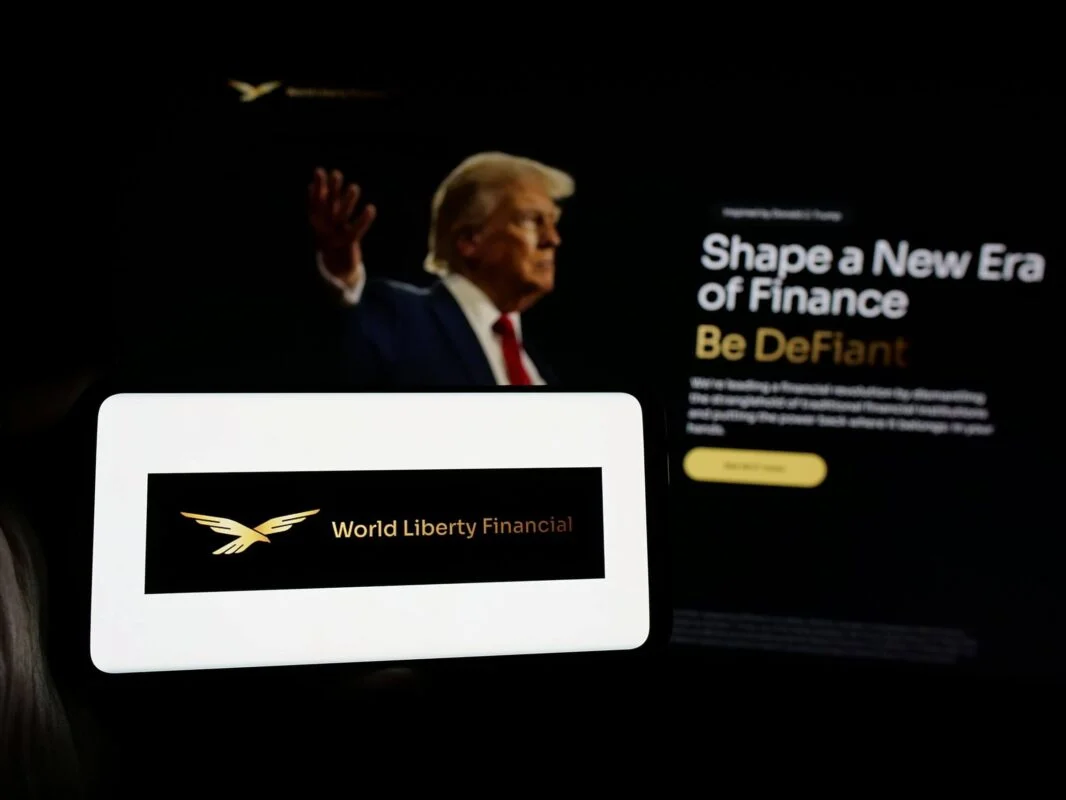
World Liberty Financial has unveiled a comprehensive governance reform that connects voting privileges to extended staking obligations. The initiative establishes a six-month minimum lockup requirement for previously unrestricted WLFI tokens before holders can influence protocol matters. This strategic shift seeks to reinforce stakeholder commitment while accelerating adoption of the USD1 stablecoin infrastructure.
Long-Term Commitment Model Reshapes Protocol Governance
World Liberty Financial released a detailed framework mandating that holders of freely tradable WLFI must lock their assets before gaining governance access. The structure enforces a 180-day minimum commitment period and calculates voting influence based on both stake quantity and time remaining in the lock. Tokens already under restriction maintain their governance capabilities without extra requirements.
The system offers a baseline 2% annual incentive for stakeholders who cast votes in a minimum of two governance matters throughout the lock duration. Funding for these incentives comes from the WLFI treasury to ensure sustained engagement across the participant base. According to the development team, this arrangement prioritizes influence for dedicated, long-term holders over short-term speculators.
Implementation depends on achieving a quorum representing one billion qualifying WLFI tokens. Following quorum achievement, the measure requires simple majority support to take effect. Current market circulation exceeds 27 billion WLFI tokens.
Multi-Level Participation Structure Supports Stablecoin Integration
The governance update establishes multiple participation tiers that unlock progressive benefits corresponding to staking volumes. Token holders committing at least 10 million WLFI achieve Node designation, granting access to stablecoin exchange functionality. This tier enables seamless 1:1 swaps between USDT or USDC and USD1, plus direct fiat withdrawal capabilities.
Stakeholders locking more than 50 million WLFI attain Super Node classification. This premium tier opens opportunities for strategic partnerships and potential revenue sharing from protocol collaboration efforts. The tiered approach is designed to encourage meaningful participation and broaden institutional involvement.

The proposal further integrates staking advantages with USD1 activity throughout WLFI Markets. Participants receive enhanced yields for USD1 deposits alongside supplementary benefits facilitated through DeFi protocol Dolomite. The development team anticipates this structure will generate consistent demand across the lending infrastructure.
Multi-Chain Stablecoin Deployment and Banking Integration Progress
USD1 has maintained momentum with ongoing multi-blockchain deployment and partnership expansion since its 2025 introduction. The reserve backing consists of cash holdings and U.S. Treasury securities, managed by BitGo with regular monthly verification and comprehensive cross-chain functionality. Recent circulation growth accelerated following a significant agreement involving Abu Dhabi’s MGX fund alongside Binance.
Regulatory advancement continues through an active banking charter pursuit. WLTC Holdings submitted documentation to create a federally chartered trust bank focused exclusively on stablecoin services. This entity would centralize issuance operations, asset custody, and currency conversion functions within one regulated framework.
WLFI governance previously authorized treasury resource allocation to support USD1 integration across major platforms. Subsequently, the organization launched World Swap to facilitate international transfers utilizing USD1 as the underlying settlement mechanism. Platform engagement within WLFI Markets shows continued growth, highlighting the stablecoin’s increasingly central position throughout the broader protocol ecosystem.
Get 3 Free Stock Ebooks
Discover top-performing stocks in AI, Crypto, and Technology with expert analysis.
- Top 10 AI Stocks - Leading AI companies
- Top 10 Crypto Stocks - Blockchain leaders
- Top 10 Tech Stocks - Tech giants



