


TLDR
- SBF shared a chart projecting FTX net asset value at $78B by 2025
- John Deaton dismissed pardon discussions and cited court verdict
- Projections relied on modeled token valuations including FTT and SRM
- Debate returns as 2026 political cycle approaches
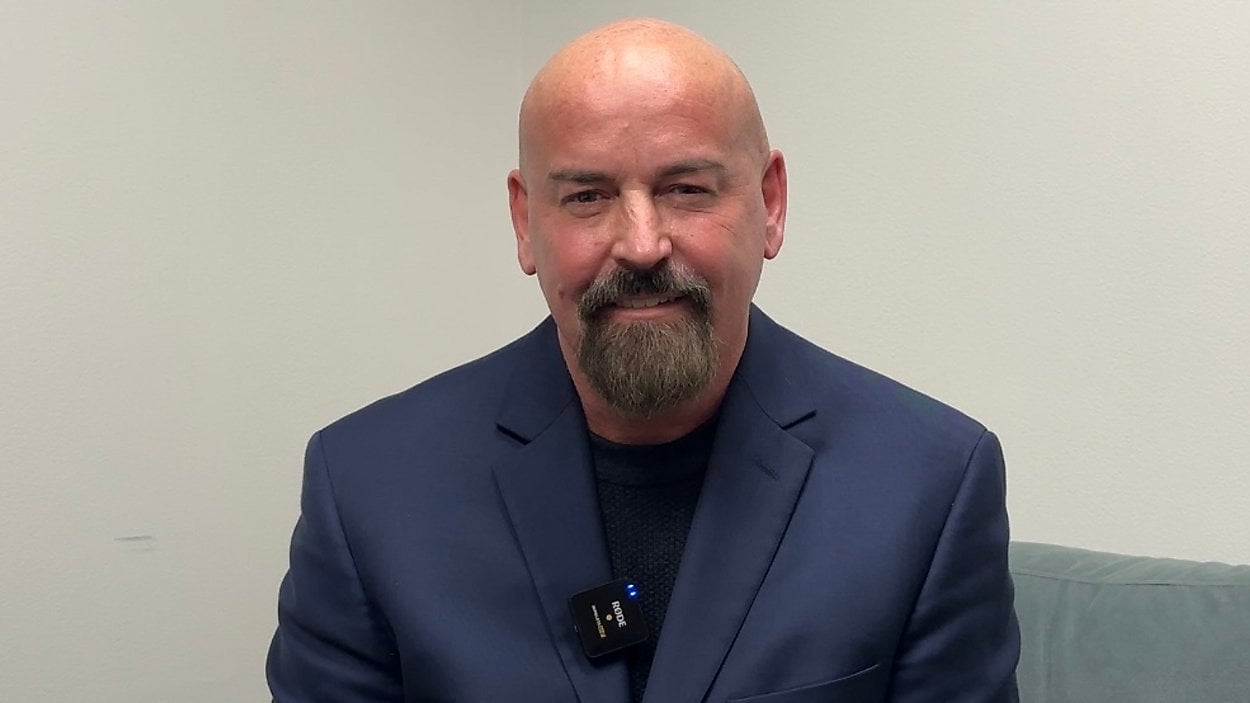
John Deaton has rejected renewed discussions of a pardon for Sam Bankman-Fried. His response follows fresh claims that FTX could have reached a $78 billion valuation by 2025. The former FTX CEO shared projections disputing the insolvency narrative. The debate has returned to public focus as political tensions rise.
John Deaton Calls BS
Senate candidate & Crypto advocate @JohnEDeaton1 isn't buying SBF’s latest "digital comeback." Despite Sam Bankman-Fried circulating charts claiming FTX could have hit a $78B valuation by 2025, Deaton is doubling down against any talk of a pardon.
The… pic.twitter.com/cJyfU3g5kL
— Jungle Inc Crypto News (@jungleincxrp) February 22, 2026
The News should be in the angle of John Deaton Rejects Sam Bankman-Fried Pardon Talk as $78B FTX Claim Emerges. Deaton made clear that legal findings remain central to the case. He stated that modeled figures do not override court decisions or creditor losses.
SBF Shares Modeled Valuation Projections
Bankman-Fried published a chart on X comparing FTX’s financial position in November 2022 with a projected 2025 figure. The chart listed a petition date net asset value of $16.5 billion. It then showed a modeled rise to $78 billion by February 2025.
The projections relied on token holdings such as FTT and SRM. These assets faced sharp declines during the exchange’s collapse. Bankman-Fried argued that asset prices could have recovered if bankruptcy had not occurred. He presented the data as part of a post titled “10 Myths About Me and FTX.”
Observers note that modeled valuations differ from realized liquidity. Tokens like FTT and SRM had limited market depth during the crisis. Price swings were rapid and severe. As a result, liquidity constraints played a role in the bankruptcy process.

Deaton Dismisses Clemency Discussions
John Deaton responded publicly and rejected any talk of clemency. He described the projections as statistical revisionism. He argued that theoretical recovery does not erase established findings in court.
Deaton has also questioned accountability within the wider FTX network. He asked why other individuals connected to the exchange have not faced similar charges. His remarks come as he campaigns for the U.S. Senate. The issue has gained attention as the 2026 political cycle approaches.
He maintained that creditor losses remain a key factor. Many customers faced frozen accounts after the collapse. Court proceedings examined how funds were managed. The jury later returned a guilty verdict against Bankman-Fried.
Legal and Political Context Returns to Focus
Bankman-Fried was convicted on charges tied to the FTX collapse. The bankruptcy reshaped the digital asset sector and triggered wider regulatory scrutiny. Since then, discussions about solvency and asset recovery have continued.
Legal analysts state that projections based on token prices can vary widely. Market stress often exposes gaps between paper valuations and tradable value. During the FTX crisis, several affiliated tokens dropped sharply. Liquidity conditions tightened across exchanges.
The renewed debate combines financial analysis and political messaging. Deaton’s stance reflects ongoing scrutiny of crypto governance and enforcement. At the same time, Bankman-Fried’s statements seek to challenge earlier conclusions about insolvency.
Get 3 Free Stock Ebooks
Discover top-performing stocks in AI, Crypto, and Technology with expert analysis.
- Top 10 AI Stocks - Leading AI companies
- Top 10 Crypto Stocks - Blockchain leaders
- Top 10 Tech Stocks - Tech giants



