


TLDR
- CFTC’s pilot program allows Bitcoin, Ethereum, and USDC as margin collateral in U.S. derivatives.
- The CFTC’s move is part of broader efforts to regulate digital asset markets under the GENIUS Act.
- Eligible firms will need to follow strict reporting and operational standards during the pilot.
- Tokenized real-world assets like Treasuries can also be used as collateral under new guidelines.
The CFTC has approved a pilot program allowing Bitcoin, Ethereum, and USDC to be used as collateral in U.S. derivatives markets. This marks a major step forward in integrating digital assets into traditional financial systems. With the GENIUS Act laying the groundwork, the new initiative brings much-needed clarity and oversight to the crypto space, offering a regulated path for tokenized assets to play a larger role in mainstream markets.
CFTC Approves Tokenized Assets for U.S. Derivatives Markets
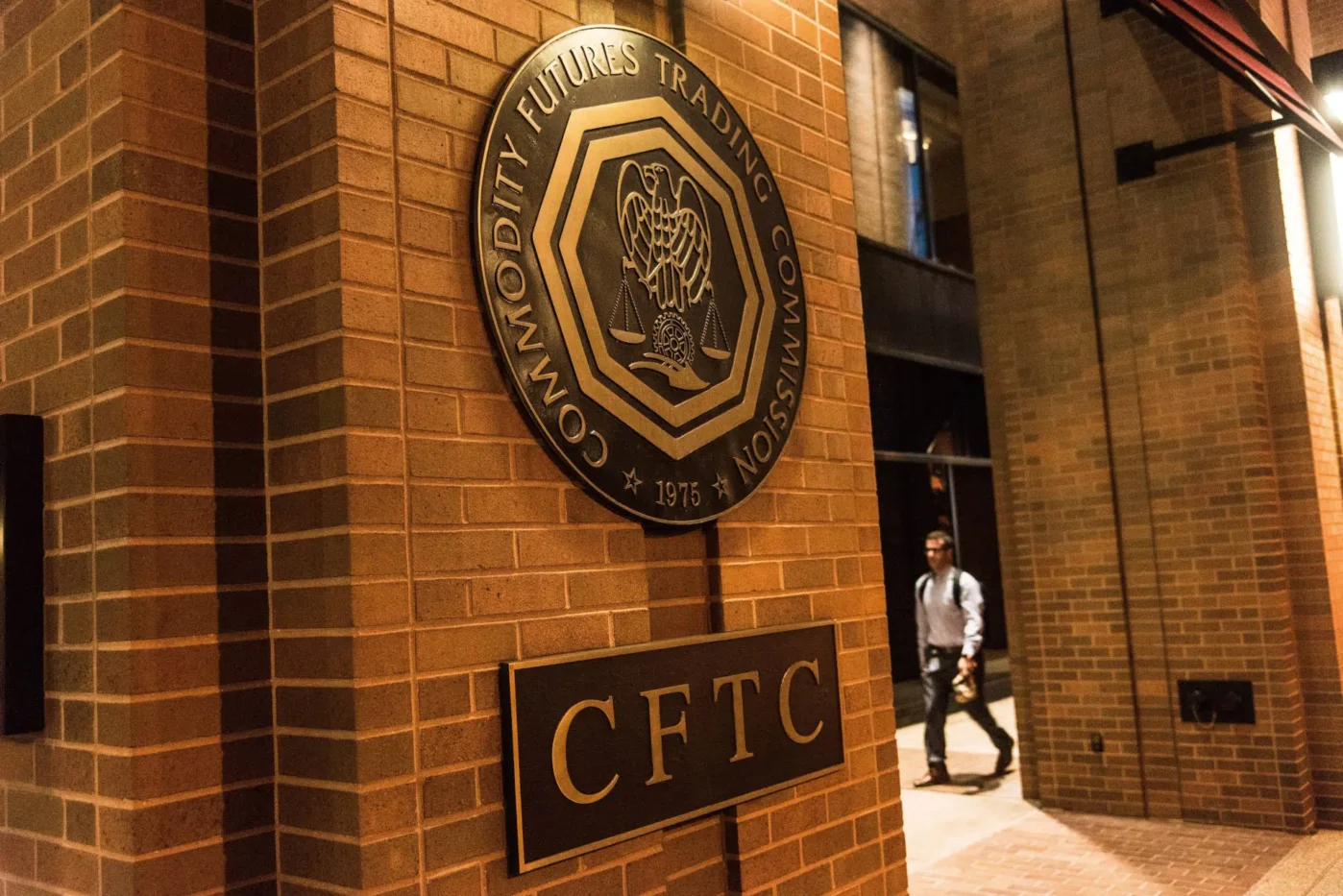
The Commodity Futures Trading Commission (CFTC) has introduced a new pilot program that will allow tokenized digital assets to be used as margin collateral in U.S. derivatives markets. The initiative marks a major regulatory shift in the crypto space, enabling the inclusion of assets like Bitcoin, Ethereum, and USDC in transactions on U.S. platforms.
This program comes as part of the CFTC’s ongoing effort to bring digital asset activity into supervised U.S. markets. It is a step forward in reducing the industry’s dependence on offshore trading platforms. Acting CFTC Chairman Caroline Pham emphasized that the program introduces “clear guardrails” for futures commission merchants (FCMs) and strengthens the agency’s oversight of digital asset activities.
New Guidance and Reporting Requirements
As part of the pilot, FCMs that choose to accept tokenized digital assets as collateral will be subject to specific operational and reporting standards. These firms must regularly report customer asset holdings and notify the CFTC of any operational issues. Additionally, the program sets a three-month trial period, where Bitcoin, Ethereum, and USDC are the only eligible tokens for use as margin collateral.
The CFTC’s new guidelines include updated protocols for tokenized real-world assets, such as Treasury securities and money-market funds. The guidance ensures these assets can be used within the existing regulatory framework, but they must meet specific custody, valuation, and segregation standards. These measures aim to protect the integrity of customer funds while providing flexibility for market participants.
The GENIUS Act and the Evolution of Crypto Regulation
The pilot program also builds on the legal framework established by the GENIUS Act, passed earlier this year. This act significantly expanded the CFTC’s authority over digital assets, enabling the agency to regulate both spot crypto markets and the use of tokenized collateral. The CFTC withdrew a previous advisory that limited the use of digital assets as collateral, as it was no longer compatible with the evolving landscape of tokenization.

Paul Grewal, Coinbase’s Chief Legal Officer, praised the move, noting that the withdrawal of the advisory removes “a concrete ceiling on innovation” and aligns with broader regulatory goals to enhance digital asset market stability. He described the outdated memo as overly restrictive and out of step with the current needs of the market.
Future Prospects and Market Impact
This regulatory shift opens the door for more digital assets to be used in traditional financial markets. The CFTC’s decision also comes at a time when crypto exchanges are moving to allow new trading options, such as the Bitnomial exchange’s introduction of leveraged spot crypto trading. This integration of tokenized assets into regulated markets is expected to increase market liquidity and transparency while ensuring compliance with federal laws.
The pilot program will closely monitor how these digital assets perform as collateral in derivatives markets. Participating firms will need to adhere to strict operational and reporting guidelines to ensure transparency and reduce risk. These steps are part of the CFTC’s broader efforts to create a more secure and well-regulated environment for crypto trading within the U.S.
Get 3 Free Stock Ebooks
Discover top-performing stocks in AI, Crypto, and Technology with expert analysis.
- Top 10 AI Stocks - Leading AI companies
- Top 10 Crypto Stocks - Blockchain leaders
- Top 10 Tech Stocks - Tech giants



