


Key Highlights
- DAL shares slipped 4% even though Q2 results surpassed analyst projections on both earnings and revenue
- Earnings per share (adjusted) reached $1.56 versus the $1.49 consensus; sales totaled $17.7 billion against $17.5 billion forecasts
- Management maintained full-year EPS outlook of $6.50–$7.50, exceeding the Street’s $6 consensus
- Jet fuel expenses reached unprecedented levels — the airline paid $3.93 per gallon, marking a 75% increase from the prior year
- The company boosted its quarterly dividend by 15% beginning in Q3 and trimmed adjusted net debt by $709 million
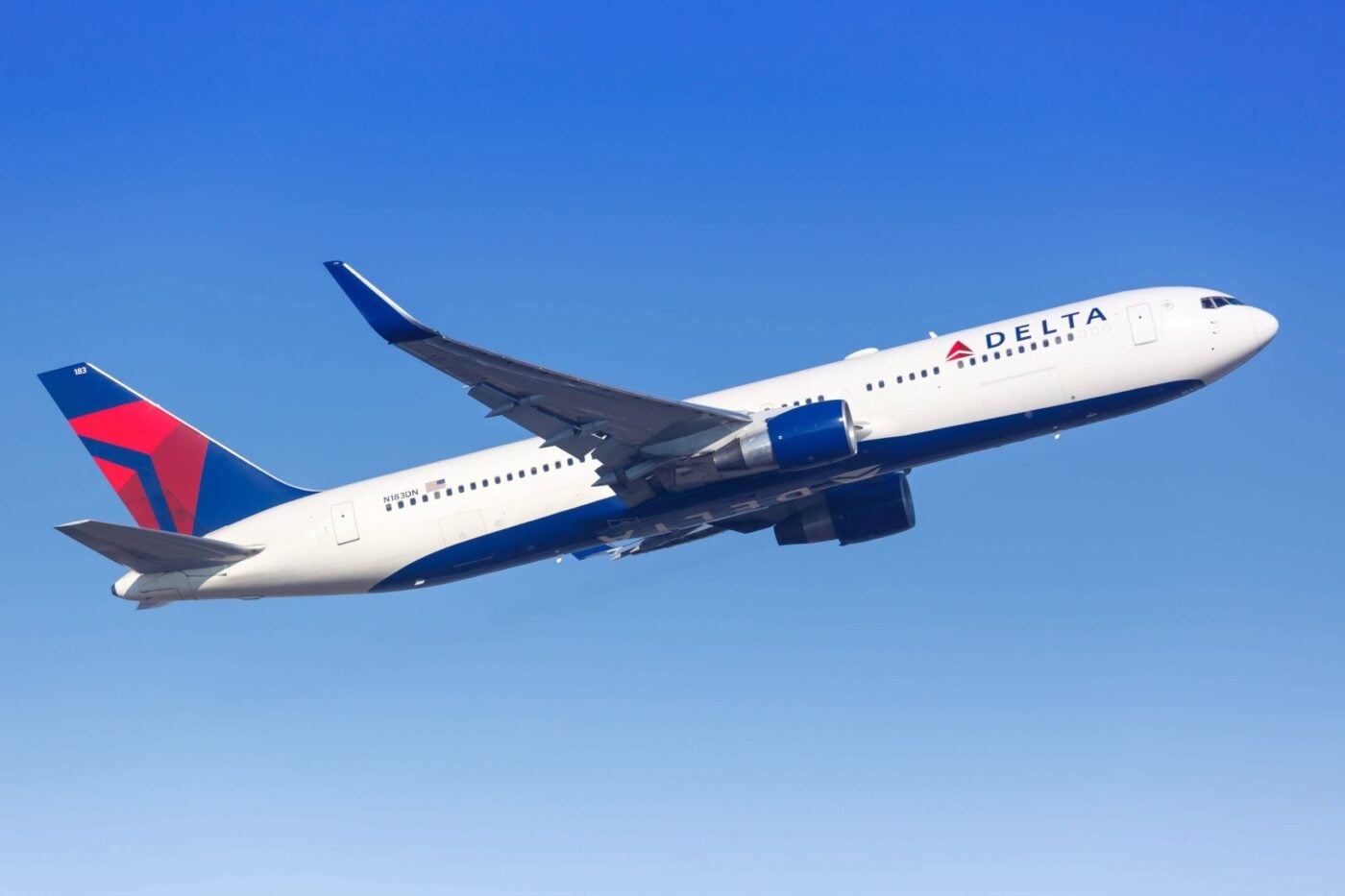
Delta Air Lines exceeded both profit and sales forecasts for its second quarter of 2026, yet shares tumbled 4% following the earnings announcement. With DAL stock already up 28% for the year before results arrived, market expectations were elevated.
On an adjusted basis, earnings per share registered at $1.56, surpassing the analyst consensus of $1.49 and exceeding Delta’s own projected range of $1.00–$1.50. Sales reached an all-time high of $17.7 billion, marking approximately 14% growth compared to the same period last year, versus Wall Street’s $17.5 billion estimate. Capacity expanded by merely 1% — revenue growth stemmed primarily from ticket price increases and improved passenger mix.
Chief Executive Ed Bastian stated clearly: “We delivered $1.4 billion in pre-tax profit while absorbing the highest quarterly fuel expense in our history, reflecting broad demand strength, growing brand preference and momentum across our diversified revenue base.”
Those fuel expenses represent a significant challenge. The carrier’s average jet fuel cost stood at $3.93 per gallon on an adjusted basis — a 75% surge from $2.25 in the comparable quarter last year. Chief Financial Officer Erik Snell highlighted that ticket price increases offset approximately 60% of the fuel cost escalation, which actually exceeded the company’s typical recovery percentage.
Demand for premium products emerged as a standout performer. Premium cabin ticket sales reached $6.92 billion, slightly surpassing economy cabin revenue of $6.85 billion. Premium revenues expanded 17% year-over-year while economy grew 8%. The loyalty program generated 19% more revenue, with American Express contributing $2.4 billion to Delta — representing 16% growth versus last year.

Outlook Maintained, Markets Expected Enhancement
Delta confirmed its full-year adjusted earnings per share projection of $6.50–$7.50, a forecast the company had actually withdrawn from its first-quarter report in April. Bringing it back signaled management’s conviction, though investors had anticipated an upward adjustment.
For the third quarter, Delta projected adjusted EPS between $2.00 and $2.50, above the $2.02 analyst consensus, with sales growth in the mid-teens range and an operating margin spanning 11%–13%. This outlook incorporates jet fuel prices around $3.15 per gallon — substantially lower than Q2’s elevated pricing.
GAAP net income declined 25% to $1.6 billion, equivalent to $2.44 per diluted share, as elevated fuel expenses pressured profitability.
United Airlines and American Airlines also retreated more than 1.5% during early trading. The Global JETS ETF, which follows the airline industry, has climbed 25% during the last three months. Delta shares have advanced 31% over that timeframe, United has risen 34%, and American has surged 51%.
Morgan Stanley analyst Ravi Shanker retained his Overweight recommendation and increased his price objective to $115 from $105. TD Cowen’s Tom Fitzgerald sustained a Buy rating with a $106 target price.
Shareholder Returns and Balance Sheet Improvement
Delta revealed a 15% dividend enhancement commencing in Q3 and decreased adjusted net debt by $709 million from the conclusion of 2025 to $13.6 billion.
Earlier this week, Delta also unveiled a more affordable entry-level fare option for its Delta One business class service, bringing tiered pricing strategies into its premium offerings.
Delta shares were trading approximately 2% higher in premarket activity Friday morning before surrendering those advances following the earnings release.
Get 3 Free Stock Ebooks
Discover top-performing stocks in AI, Crypto, and Technology with expert analysis.
- Top 10 AI Stocks - Leading AI companies
- Top 10 Crypto Stocks - Blockchain leaders
- Top 10 Tech Stocks - Tech giants



