


Key Takeaways
- Barclays shifted Siemens Energy from “Equal Weight” to “Underweight,” triggering a 5%+ decline in shares on Tuesday.
- Despite lifting its price target to €130 from €110, the firm cautions that current valuations assume “indefinite peak-cycle economics.”
- Sustainable annual demand for global power equipment is estimated at 80–90 GW, approximately 15% under present order volumes.
- Peak free cash flow to shareholders is anticipated around €7.6 billion in fiscal 2026, with declines expected afterward.
- Leading turbine manufacturers have already locked in over 70 GW in data center reservations, suggesting limited potential for additional upside surprises.
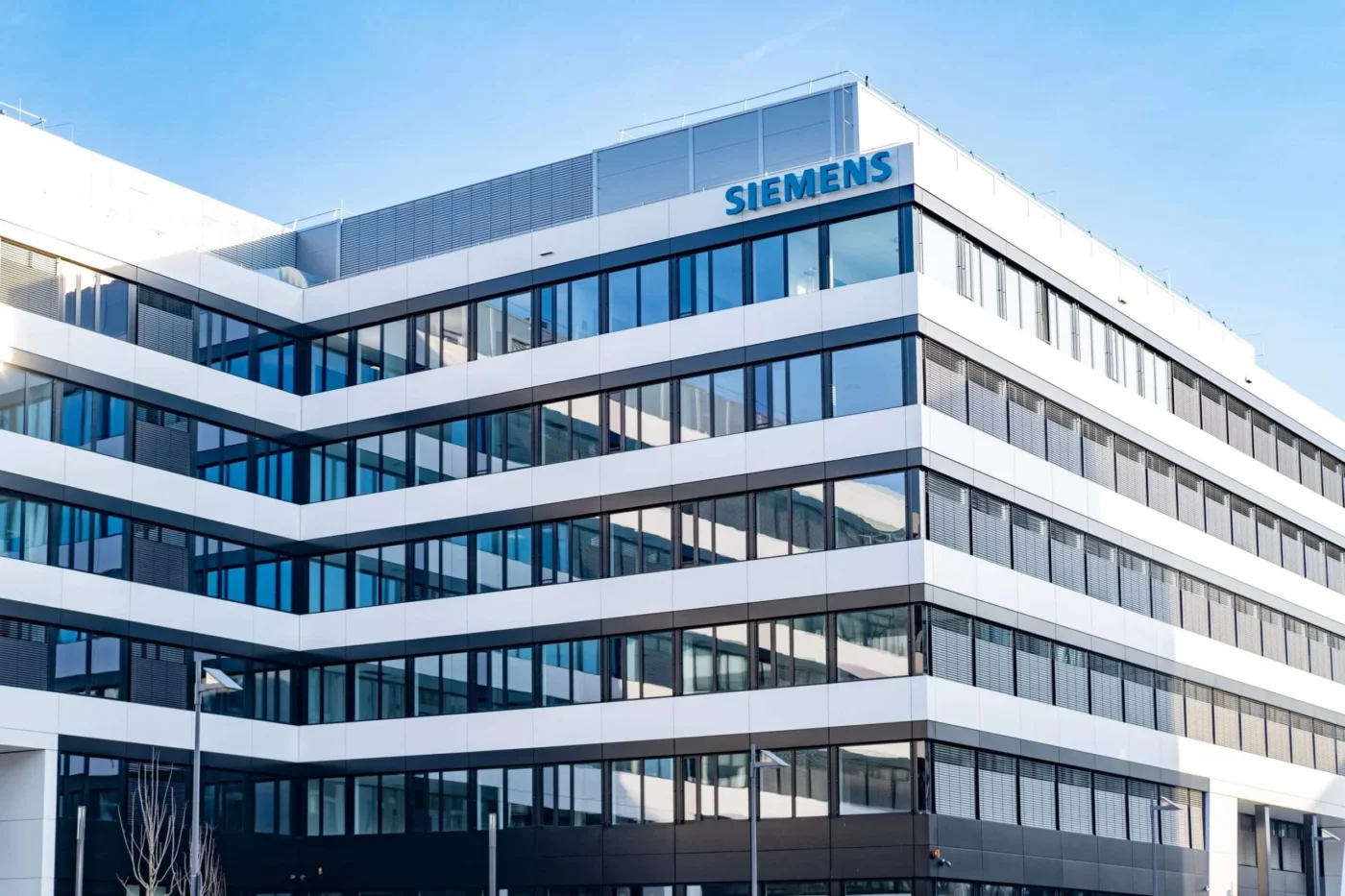
Shares of Siemens Energy AG tumbled more than 5% during Tuesday’s session following a downgrade from Barclays to “Underweight,” making it the DAX’s biggest laggard for the day. Trading around €146 at the time of the announcement, the stock retreated from what had been approximately a 35% year-to-date rally.
Barclays analyst Vlad Sergievskii delivered the downgrade while simultaneously lifting the price target to €130 from €110 — yet emphasized that even this elevated target suggests considerable downside from present trading levels.
The core thesis: markets are baking in an extended gas turbine boom that Barclays believes is unsustainable.
According to Sergievskii, Siemens Energy booked orders totaling roughly 50 GW on an annualized basis over the last six months. That figure exceeds total worldwide demand recorded in any single year between 2017 and 2023. However, Barclays projects that sustainable long-run demand sits at merely 80–90 GW annually — approximately 15% beneath current ordering rates.

Meanwhile, Siemens Energy’s gas turbine market share has expanded to approximately 40%, significantly above its historical range of 25–27%. Barclays anticipates a reversion to mean over the coming years.
Concerns Over Cycle Peak
The investment bank still forecasts robust earnings expansion — projecting a 25% EPS compound annual growth rate through 2030, with adjusted EPS climbing from €4.26 in fiscal 2026 to €9.20 in fiscal 2028. Revenue is anticipated to increase from €43.24 billion to €57.41 billion during this timeframe, representing a 13.7% CAGR.
The concern isn’t about growth itself. Rather, Barclays contends that peak order intake, peak cash generation, and peak supply-demand tension are all aligning in 2026 — yet the stock is priced as though these favorable conditions will persist indefinitely.
Free cash flow available to equity holders is forecast to crest at roughly €7.62 billion during fiscal 2026, with approximately two-thirds stemming from working capital dynamics. Starting in 2028, net working capital is projected to become a “significant headwind.”
Additionally, there’s a material ownership obligation on the horizon. Siemens Energy faces a mark-to-market commitment of about $5 billion to increase its ownership stake in Siemens Energy India to 51% by 2028, which Barclays identified as a limitation on capital returns to shareholders.
Data Center Orders Already Secured
One particularly notable element in Barclays’ analysis: leading gas turbine and engine producers have already locked in more than 70 GW of data center-linked orders or capacity reservations during the previous 15–18 months.
According to Barclays, this volume essentially addresses the next three to four years of data center gas generation equipment requirements — implying that the ordering momentum could decelerate substantially going forward.
Interestingly, competitor GE Vernova saw its shares rise on the same trading day, indicating this appears to be a company-specific development rather than an industry-wide shift. Broader equity markets also posted gains, with the S&P 500 advancing 0.7% and the Nasdaq climbing 1.1%.
From a valuation perspective, Barclays estimates Siemens Energy trades at a 20–35% discount to GE Vernova based on forward free cash flow yield and EV/EBITDA metrics — a differential the firm considers narrower than many investors recognize.
Siemens Energy’s upcoming earnings announcement is scheduled for early August, when order intake data will be scrutinized for initial indications of the demand normalization that Barclays is forecasting.
Get 3 Free Stock Ebooks
Discover top-performing stocks in AI, Crypto, and Technology with expert analysis.
- Top 10 AI Stocks - Leading AI companies
- Top 10 Crypto Stocks - Blockchain leaders
- Top 10 Tech Stocks - Tech giants



