


Key Takeaways
Presidential signing ceremony cancelled, leaving CBDC prohibition uncertain.
Proposed legislation would prevent Federal Reserve digital dollar until 2030.
Presidential approval contingent on voting reform bill passage.
Stablecoin exemption language preserved within housing legislation.
Senate digital asset framework discussions encounter additional complications.
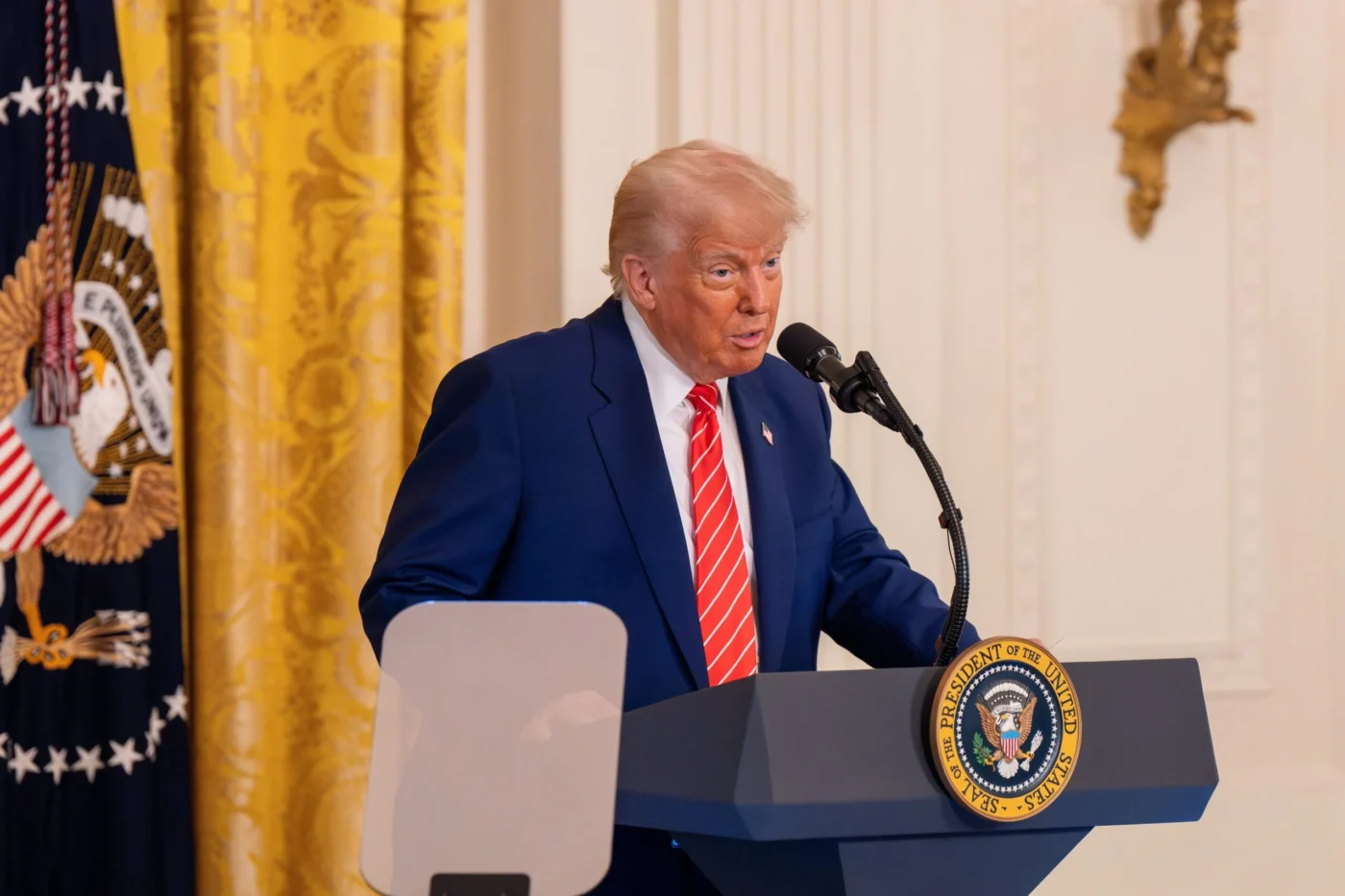
President Donald Trump postponed the enactment of a prohibition on federal central bank digital currencies by cancelling Wednesday’s signing ceremony for a comprehensive bipartisan housing measure. The pending legislation includes provisions that would prevent the Federal Reserve from launching a central bank digital currency until the end of 2030. Trump has made his signature conditional upon congressional passage of unrelated voting reform legislation.
Presidential Approval Conditional on Voting Reform
Through a Truth Social announcement made shortly before the White House ceremony, Trump cancelled the event and stated Congress must advance the SAVE America Act before he will sign the housing measure. This voting legislation would modify federal voter registration protocols. The decision created immediate uncertainty surrounding both the housing package and its embedded CBDC prohibition language.
Under the SAVE America Act, individuals registering for federal elections would need to demonstrate United States citizenship. Proponents characterize this requirement as essential election integrity protection, while critics argue it creates barriers for legitimate voters. Republican senators face presidential pressure to advance this measure despite minimal Democratic backing.
Congressional approval for the housing measure was substantial, with the House delivering 358 affirmative votes against 32 opposed following Senate passage at 85 to five. The legislation arrived at the White House with strong bipartisan endorsement from both chambers. Nevertheless, Trump chose to postpone the signing despite widespread congressional support.
Digital Currency Prohibition Embedded in Housing Measure
While the 21st Century ROAD to Housing Act focuses predominantly on housing availability, affordability, mortgage regulations, and development obstacles, legislators incorporated provisions blocking the Federal Reserve from developing or distributing a retail CBDC. This prohibition would extend through the final day of 2030.
The language encompasses digital assets functioning similarly to central bank digital currencies. However, it specifically excludes private dollar-denominated assets operating within open, permissionless, and decentralized frameworks. This carveout ensures qualified stablecoins remain unaffected by the federal restriction.

Trump has previously instructed federal departments to refrain from establishing, distributing, or advocating for a United States CBDC absent explicit statutory authority. While the Federal Reserve has conducted research into digital currency possibilities, no digital dollar has been implemented. The congressional provision would therefore codify existing executive policy into permanent federal statute.
Legislative Delay Complicates Digital Asset Policy
Trump retains the option to sign the housing legislation once lawmakers move forward with his preferred voting measure. Alternatively, the bill could become law automatically without presidential signature under constitutional procedures. The actual timeline depends on formal legislative presentation and congressional scheduling decisions.
This postponement may also impact the pending Digital Asset Market Clarity Act. That separate legislation would establish regulatory jurisdiction for digital assets and allocate oversight responsibilities among federal agencies. Trump has expressed support for permanent market structure legislation governing the cryptocurrency sector.
The CLARITY Act awaits Senate floor discussion, potential modifications, and ultimate passage voting. Simultaneously, legislators continue working through ethics requirements related to political participation in digital asset enterprises. The housing legislation dispute now introduces another political condition to an already congested Senate agenda.
Trump has not issued explicit veto threats against the market structure legislation or other cryptocurrency-related bills under consideration. However, his decision to withhold approval from unrelated measures could decelerate congressional progress on multiple policy fronts. As a result, the CBDC prohibition remains entangled with broader political conflicts spanning housing policy, electoral procedures, and digital asset regulatory frameworks.
Get 3 Free Stock Ebooks
Discover top-performing stocks in AI, Crypto, and Technology with expert analysis.
- Top 10 AI Stocks - Leading AI companies
- Top 10 Crypto Stocks - Blockchain leaders
- Top 10 Tech Stocks - Tech giants



