


Key Takeaways
- MU shares have climbed approximately 250% year-to-date, with quarterly results scheduled for June 24 after the closing bell
- Strong AI data center expansion continues to fuel robust demand for DRAM and NAND memory chips
- Both Nvidia and Alphabet indicate AI infrastructure spending will significantly exceed 2026 levels in 2027
- RBC Capital elevated its MU price objective from $525 to $1,200 while maintaining its Outperform recommendation
- Despite its substantial year-to-date gains, MU shares trade at only 16.4x forward earnings estimates
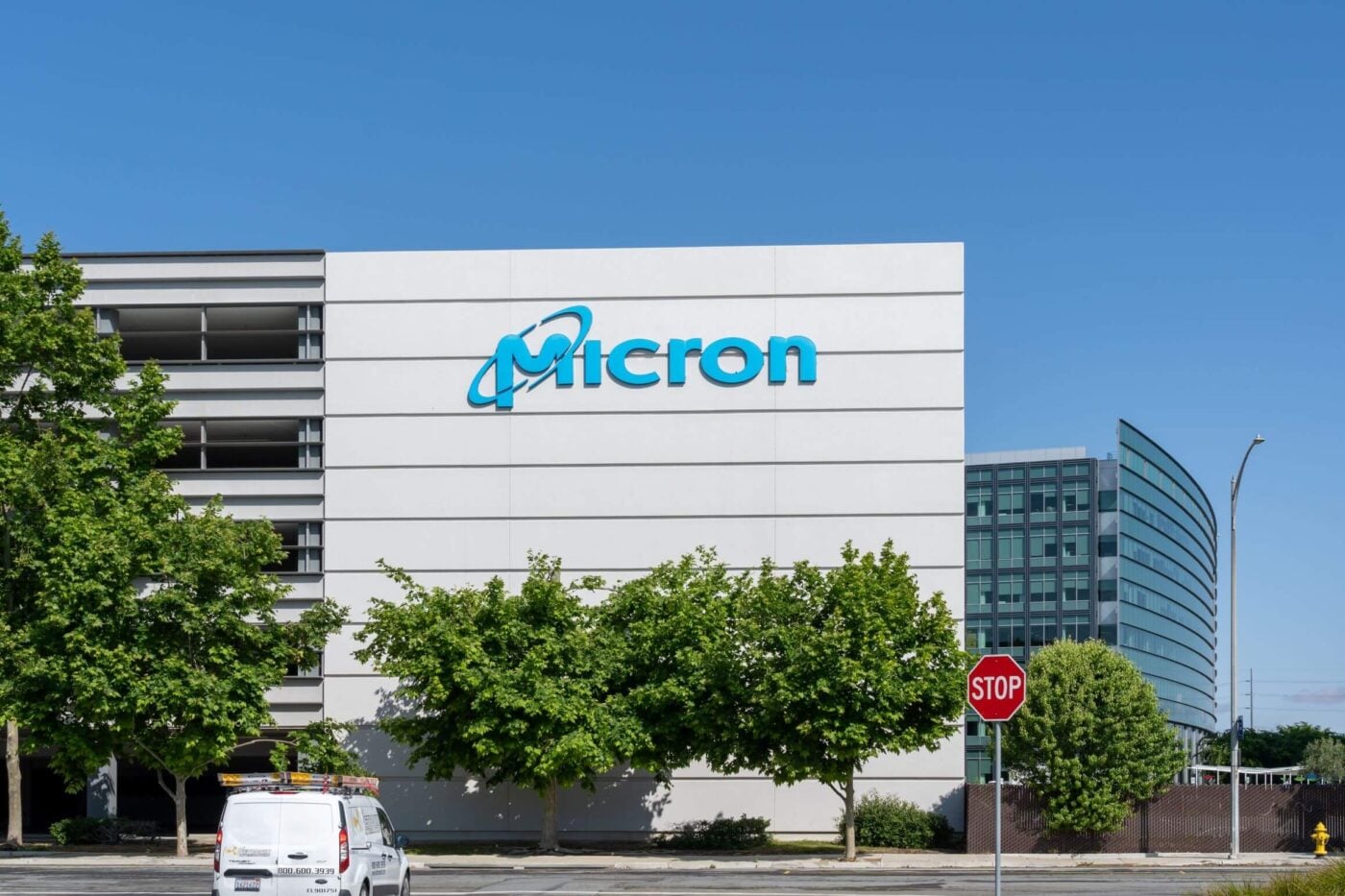
Micron Technology (MU) shares have skyrocketed nearly 250% throughout 2026, currently hovering around $1,042, as the memory chip manufacturer prepares to unveil its quarterly financial results on June 24. The upcoming announcement has captured significant investor attention.
The company specializes in producing DRAM and NAND memory solutions — both experiencing supply constraints. DRAM plays a critical role in artificial intelligence computing systems, including graphics processing units. Meanwhile, NAND serves as the backbone for long-term data storage infrastructure in enterprise data centers. Elevated demand for both product categories has propelled pricing upward, while manufacturing capacity struggles to keep pace.
This favorable pricing environment has translated into impressive revenue growth and robust earnings performance throughout the past twelve months. Current supply dynamics suggest these conditions will persist through the upcoming earnings announcement.
Wall Street analysts have responded with enthusiasm. RBC Capital’s Srini Pajjuri upgraded his MU price objective from $525 to $1,200 on June 15, while reaffirming an Outperform stance. This revised target suggests potential appreciation exceeding 17% from present trading levels.

RBC’s bullish thesis focuses primarily on DRAM market dynamics. The investment firm notes the current upcycle has already extended through 12 quarters and projects it could continue for an additional five to six quarters. The analysis highlights persistent infrastructure investment, robust GenAI adoption, and expanding deployment of inference and agentic AI workloads as primary catalysts.
Wolfe Research echoed this optimism days earlier. On June 11, the firm increased its MU target from $550 to $1,250, also sustaining an Outperform rating.
Hyperscaler Capital Expenditure Outlook
The demand narrative gains credibility when examining commentary from Micron’s largest enterprise clients. Alphabet informed stakeholders that 2027 capital expenditures will be “significantly” above 2026 levels, which already project between $180–$190 billion.
Nvidia provided even more aggressive projections, suggesting AI hyperscaler infrastructure spending could surpass $1 trillion in 2027, compared to approximately $650 billion in the current year. These substantial figures indicate sustained memory chip demand extending well into the following year.
While Micron and industry peers are actively working to expand manufacturing capacity, fresh supply isn’t anticipated to reach the market until late 2027. Industry analysts suggest that even when this additional capacity materializes, demand may absorb it without significantly pressuring prices.
Attractive Valuation Multiple Persists
A potentially surprising element for market participants: despite tripling year-to-date, MU maintains reasonable valuation metrics. Shares currently command just 16.4 times forward earnings for the fiscal year concluding in August 2026. When evaluated against fiscal 2027 projections, the valuation appears even more compelling.
This represents a modest earnings multiple for an enterprise experiencing this growth trajectory, contributing to continued analyst optimism approaching the earnings release.
Micron’s net profit margin presently stands at 41.49%, positioning the company among the semiconductor industry’s most profitable operators.
The June 24 financial disclosure represents the next significant catalyst. Market participants will scrutinize management guidance regarding pricing momentum, demand indicators from hyperscaler partners, and any updates concerning production capacity expansion schedules.
Get 3 Free Stock Ebooks
Discover top-performing stocks in AI, Crypto, and Technology with expert analysis.
- Top 10 AI Stocks - Leading AI companies
- Top 10 Crypto Stocks - Blockchain leaders
- Top 10 Tech Stocks - Tech giants



