


Key Highlights
- Houston emerges as the next destination for the Uber, Lucid, and Nuro autonomous taxi initiative, marking the second city after the San Francisco Bay Area deployment scheduled for later this year.
- Launch timeline for Houston operations targets mid-2027, with expansion plans encompassing multiple cities worldwide and a fleet exceeding 35,000 autonomous vehicles.
- Shares of Lucid (LCID) gained approximately 4% following the announcement, though the electric vehicle maker’s stock remains down about 60% year-over-year.
- A dedicated 50,000-square-foot operations facility in Houston has been acquired by Uber, featuring 40 rapid charging stations and 15 service bays, with construction set to begin in early 2027.
- Nuro currently operates autonomous test vehicles around the clock on Houston streets, maintaining a fleet of close to 100 vehicles across California and Texas.
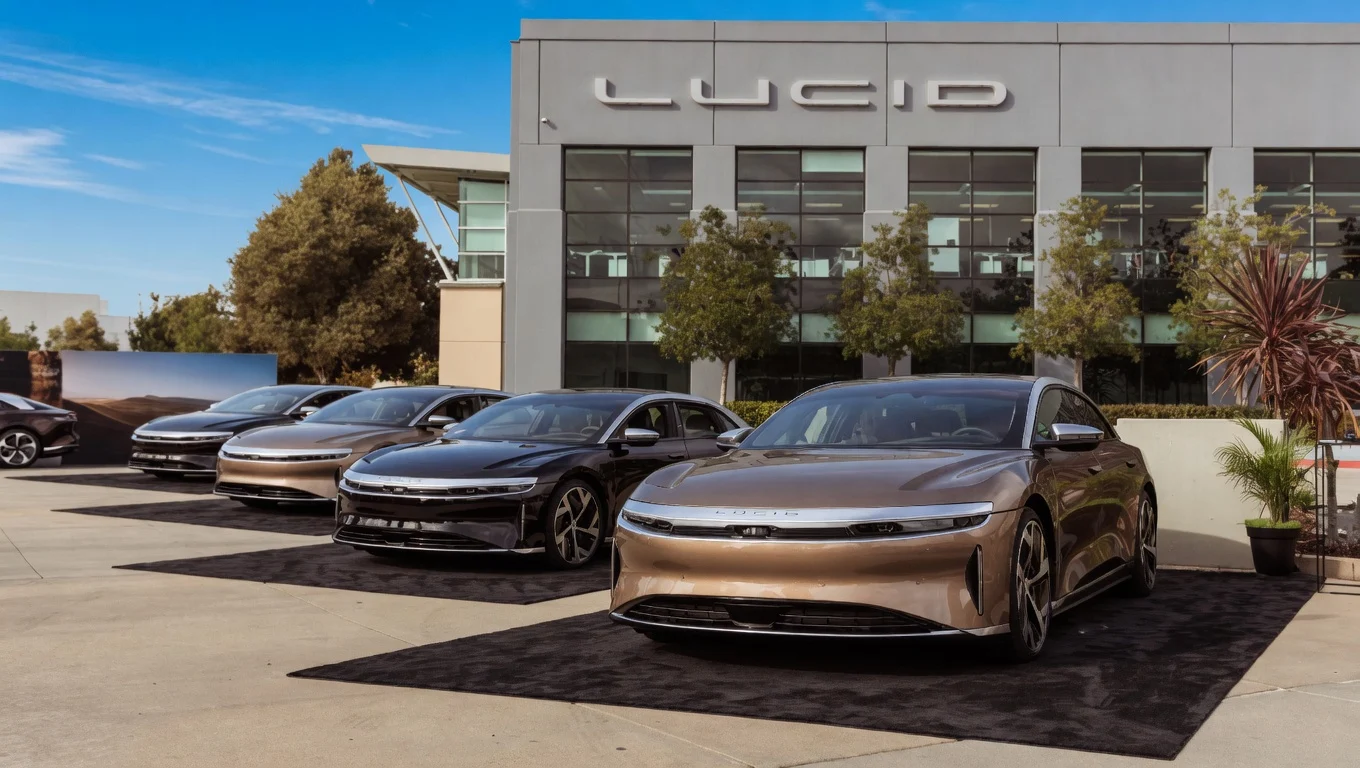
The autonomous ride-hailing collaboration between Uber (UBER) and Lucid (LCID) is expanding into the Lone Star State. On Wednesday, the partners, joined by autonomous driving technology firm Nuro, revealed that Houston will serve as their second autonomous taxi deployment location.
Shares of Lucid experienced a 4% uptick following the announcement. Given that the electric vehicle manufacturer’s stock has declined approximately 60% over the trailing twelve months, positive catalysts are particularly significant.
The inaugural market continues to be the San Francisco Bay Area, where commercial operations are slated to commence later in 2025. The Houston rollout is projected for mid-2027.
The collaboration was initially established in July 2025. Through this agreement, Uber pledged to integrate 35,000 or more Lucid vehicles into its platform — including the Gravity SUV and an upcoming midsize model — throughout a six-year period, all equipped with Nuro’s self-driving technology.

Meanwhile, Nuro continues advancing its testing program. The autonomous technology developer is currently conducting on-road trials with safety operators in Houston, executing a comprehensive validation strategy that encompasses virtual simulation, controlled testing environments, and monitored public street operations.
The engineering test fleet currently includes nearly 100 vehicles running continuous 24-hour operations throughout California and Texas. Fleet size will expand as Lucid initiates production of robotaxi-validated vehicles at its Arizona manufacturing facility.
Houston Operations Hub Under Development
Uber has acquired a 50,000-square-foot property in Houston that will function as the program’s central operations hub. This facility will manage charging infrastructure, vehicle maintenance, repair services, and fleet cleaning for the Lucid Gravity autonomous vehicles.
The operations center will require over 4 megawatts of electrical capacity and will accommodate 40 high-speed charging units alongside 15 dedicated maintenance stations. Construction is scheduled to commence in early 2027.
Houston’s selection stems from multiple factors, including its substantial market size and diverse trip patterns, plus Nuro’s existing presence in the region. The autonomous technology company previously conducted Level 4 autonomous operations within the city and maintains established connections with local emergency services and government officials.
The robotaxi version of the Lucid Gravity incorporates advanced sensing technology — including high-resolution imaging systems, solid-state lidar units, and radar equipment — enabling complete 360-degree environmental awareness. A specially designed roof-mounted sensor housing optimizes detection capabilities. Manufacturing is anticipated to begin at Lucid’s Arizona production plant later in 2025, subject to final approval processes.
Regulatory Approvals Secured
Regarding regulatory milestones, Nuro obtained a pilot program permit from the California Public Utilities Commission in early May and received authorization for driverless testing from the California DMV in April. Team members from Uber, Nuro, and Lucid have been conducting test rides since April.
This initiative operates within Uber Autonomous Solutions, the fleet operations division that Uber introduced in February, which consolidates infrastructure management and operational logistics internally.
Lucid’s recently announced $750 million capital infusion — comprising $550 million from Saudi Arabia’s Public Investment Fund and $200 million from an Uber subsidiary — provides financial backing for this autonomous vehicle initiative. Both organizations receive investment from PIF, creating aligned strategic interests in autonomous mobility.
Nuro’s financial backers include SoftBank Vision Fund, Sequoia Capital, T. Rowe Price, and Fidelity. The company has also established delivery service partnerships with major retailers including Walmart, Kroger, Domino’s, and CVS.
Get 3 Free Stock Ebooks
Discover top-performing stocks in AI, Crypto, and Technology with expert analysis.
- Top 10 AI Stocks - Leading AI companies
- Top 10 Crypto Stocks - Blockchain leaders
- Top 10 Tech Stocks - Tech giants



