


Key Takeaways
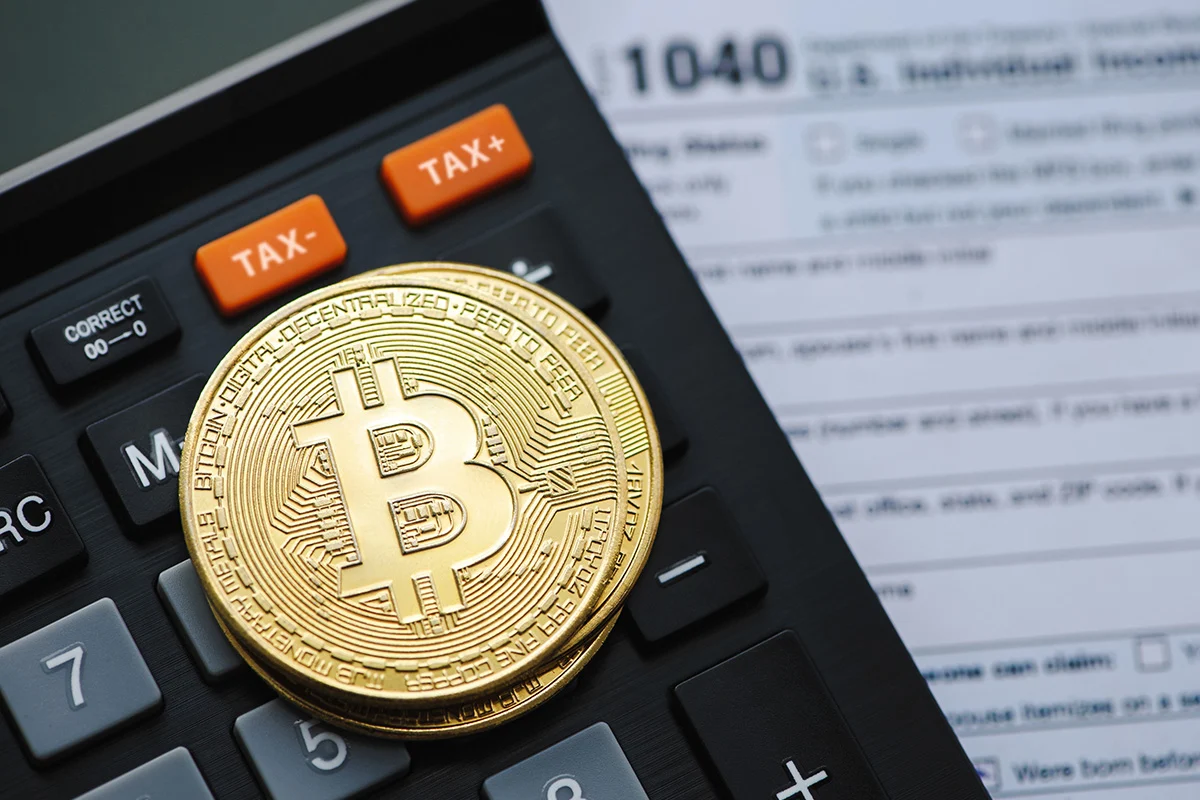
- Governor JB Pritzker signed Illinois budget legislation establishing a 0.2% tax on cryptocurrency transactions.
- The digital asset tax becomes effective January 1, 2027.
- The legislation targets digital asset transactions conducted by Illinois residents.
- Illinois establishes itself as the first US state to tax digital asset activity independent of profits or earnings.
- Cryptocurrency brokers conducting business in Illinois face new registration obligations and reporting mandates.
- Major industry organizations including the Crypto Council for Innovation and Digital Chamber challenged the bill prior to enactment.
Illinois has enacted groundbreaking crypto tax legislation through its fiscal year 2027 budget. Governor JB Pritzker authorized the $55.9 billion budget framework on Tuesday, advancing a 0.2% levy on digital asset transactions over blockchain industry protests. The tax provision becomes operational on January 1, 2027.
State Advances Digital Asset Transaction Levy
The legislation establishes a 0.2% fee on cryptocurrency transactions conducted by Illinois residents. The tax applies to activities processed through registered platforms operating digital asset services. This provision represents one component of the state’s comprehensive fiscal 2027 budget strategy.
Lawmakers incorporated the digital asset tax within Senate Bill 3019. The complete budget framework seeks to raise over $800 million through various tax measures. Governor Pritzker signed the bill despite blockchain organizations requesting amendments.
The Crypto Council for Innovation campaigned against the measure before final approval. The organization requested the governor eliminate Article 3 using line-item veto authority. The governor proceeded with full approval, leaving the digital asset provision unchanged.
The advocacy group characterized the law as establishing an unprecedented tax framework for cryptocurrency users. Representatives argued the legislation imposes unnecessary financial burdens on state residents. The council expressed concerns that the measure would deter blockchain development throughout Illinois.
“This will create an unprecedented tax regime that disproportionately burdens Illinois residents for simply using digital assets,” the council stated.
The organization warned the policy could push innovation and technology developers away from Illinois. These concerns were formally submitted before the governor’s signature.

Blockchain Organizations Contest New Tax Structure
The Digital Chamber similarly contested the measure before enactment. The organization submitted a June 3 letter opposing the Digital Asset Privilege Tax Act. The letter contended the tax would hinder digital asset integration as traditional finance increasingly adopts blockchain infrastructure.
“The tax will discourage the use of digital assets at the very time when financial services are moving to the blockchain,” the letter stated.
The organization expressed concern about consequences for blockchain companies headquartered in Illinois. The Digital Chamber cautioned that firms might reevaluate their state presence.
Illinois serves as home base for numerous cryptocurrency companies, including Zero Hash, Jump Crypto, Bitnomial, and Apex Crypto. Tax professionals at BDO USA indicated the legislation’s reach extends beyond Illinois-based companies. Organizations with substantial customer bases in Illinois may face tax obligations regardless of physical location.
Miles Jennings, head of policy and general counsel at a16z Crypto, condemned the measure on X. He characterized the legislation as among the most restrictive cryptocurrency policies implemented by any US state. Jennings highlighted the absence of comparable transaction taxes on traditional financial instruments.
“There is effectively no comparable state financial transaction tax on stocks, bonds or derivatives anywhere in the country,” Jennings said.
Jennings emphasized that cryptocurrency faces discriminatory treatment under the new law. The tax provision activates January 1, 2027, accompanied by registration mandates and reporting obligations for digital asset brokers operating in Illinois.
Get 3 Free Stock Ebooks
Discover top-performing stocks in AI, Crypto, and Technology with expert analysis.
- Top 10 AI Stocks - Leading AI companies
- Top 10 Crypto Stocks - Blockchain leaders
- Top 10 Tech Stocks - Tech giants



