


Quick Overview
- Yum Brands has agreed to divest Pizza Hut through two concurrent transactions valued at $2.7 billion combined
- LongRange Capital, a private equity investor, will purchase Pizza Hut operations outside China for approximately $1.5 billion
- Yum China will acquire the mainland China Pizza Hut operations for roughly $1.2 billion
- Shares of Yum Brands climbed 0.9% during premarket hours Tuesday after the divestiture announcement
- The divestiture comes after Pizza Hut has struggled to compete with Domino’s and delivery platforms for years
Shares of Yum Brands (YUM) moved upward in Tuesday’s early trading session following the restaurant giant’s announcement of Pizza Hut’s sale through two concurrent transactions totaling $2.7 billion. The stock advanced 0.9% in premarket activity after finishing Monday’s session at $154.67, a modest 0.2% increase. For 2026 thus far, shares have appreciated approximately 2.2%.
LongRange Capital, a private equity investment firm, has agreed to purchase Pizza Hut’s global operations excluding mainland China for roughly $1.5 billion. In a parallel transaction, Yum China Holdings (YUMC) will acquire the mainland China Pizza Hut business for an estimated $1.2 billion.
Following taxes, transaction adjustments, and associated fees, Yum anticipates receiving approximately $2.3 billion in net proceeds from the combined transactions. Additionally, LongRange has structured a potential performance-based payment of $75 million extending through 2030.
The company will incur one-time transaction-related expenses totaling roughly $85 million during the remainder of 2026. Subject to regulatory clearance, both transactions are scheduled to finalize in the third quarter.

The announcement resolves months of uncertainty after Yum disclosed in November 2025 its evaluation of strategic alternatives for Pizza Hut. The pizza brand’s performance had deteriorated over recent years, creating a drag on consolidated results.
The Decline of a Pizza Giant
Pizza Hut’s challenges have been well-documented. The brand previously dominated as the world’s premier pizza chain until 2017, when Domino’s surpassed it in market position. Subsequently, Domino’s has continued expanding its market presence while Pizza Hut faced ongoing adaptation challenges.
The brand’s transition from its signature dine-in format to delivery and takeout models occurred too gradually. The emergence of third-party delivery platforms such as DoorDash further eroded its market position. Pizza Hut faced competitive pressures from multiple directions with limited success in response.
As of year-end 2025, Pizza Hut operated approximately 20,000 restaurants spanning 108 countries and territories, generating $12.8 billion in systemwide sales annually. The United States represents roughly 40% of total sales volume, while China contributes approximately 20%.
Yum’s Strategic Direction
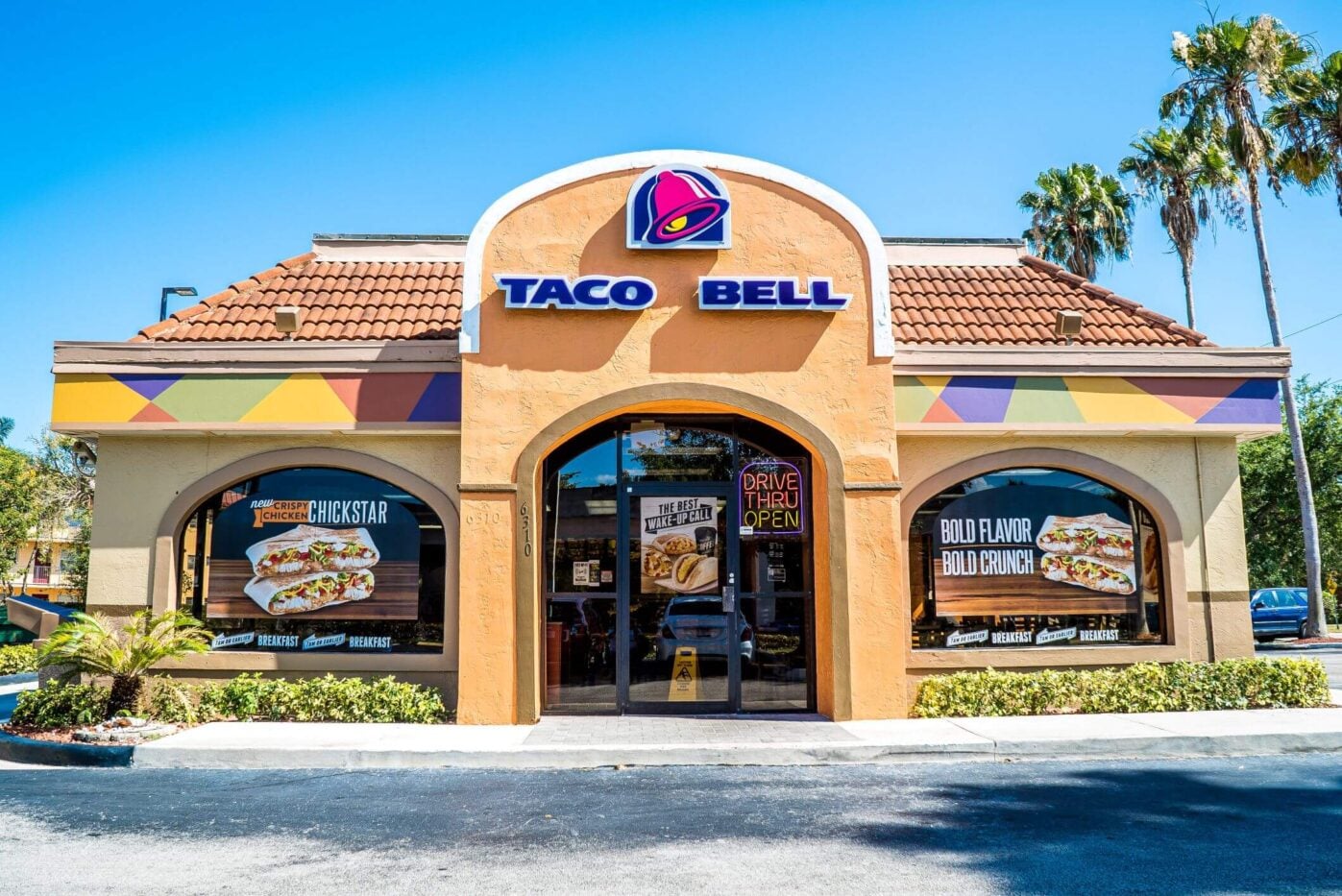
Yum CEO Chris Turner indicated the transactions enable the organization to concentrate resources and investment on technology infrastructure, workforce development, and stakeholder value creation. KFC and Taco Bell continue as core brands within Yum’s operating portfolio.
Additional financial details regarding the transaction’s impact will be disclosed during Yum’s second-quarter earnings presentation scheduled for July 30.
The divestiture concludes a corporate relationship spanning multiple decades. PepsiCo acquired Pizza Hut in 1977, subsequently adding Taco Bell and KFC before separating its restaurant division in 1997 as Tricon Global Restaurants, which later rebranded as Yum Brands.
Pizza Hut’s origins trace to 1958 when brothers Dan and Frank Carney established the first location in Wichita, Kansas, with the company completing its initial public offering in 1969.
Yum China (YUMC) shares declined 1.02% in extended trading following the announcement.
Get 3 Free Stock Ebooks
Discover top-performing stocks in AI, Crypto, and Technology with expert analysis.
- Top 10 AI Stocks - Leading AI companies
- Top 10 Crypto Stocks - Blockchain leaders
- Top 10 Tech Stocks - Tech giants



