


TLDR
- Four major crypto platforms terminated their SpaceX tokenized share offerings on Friday
- The aerospace company’s Nasdaq debut secured $75 billion, with shares jumping from $135 to $161.11
- xStocks, Kraken’s equity tokenization service, couldn’t obtain sufficient underlying shares amid massive demand
- Binance alone collected over $557 million in USDC from prospective investors
- Industry experts attributed the collapse to share availability issues rather than blockchain technology flaws
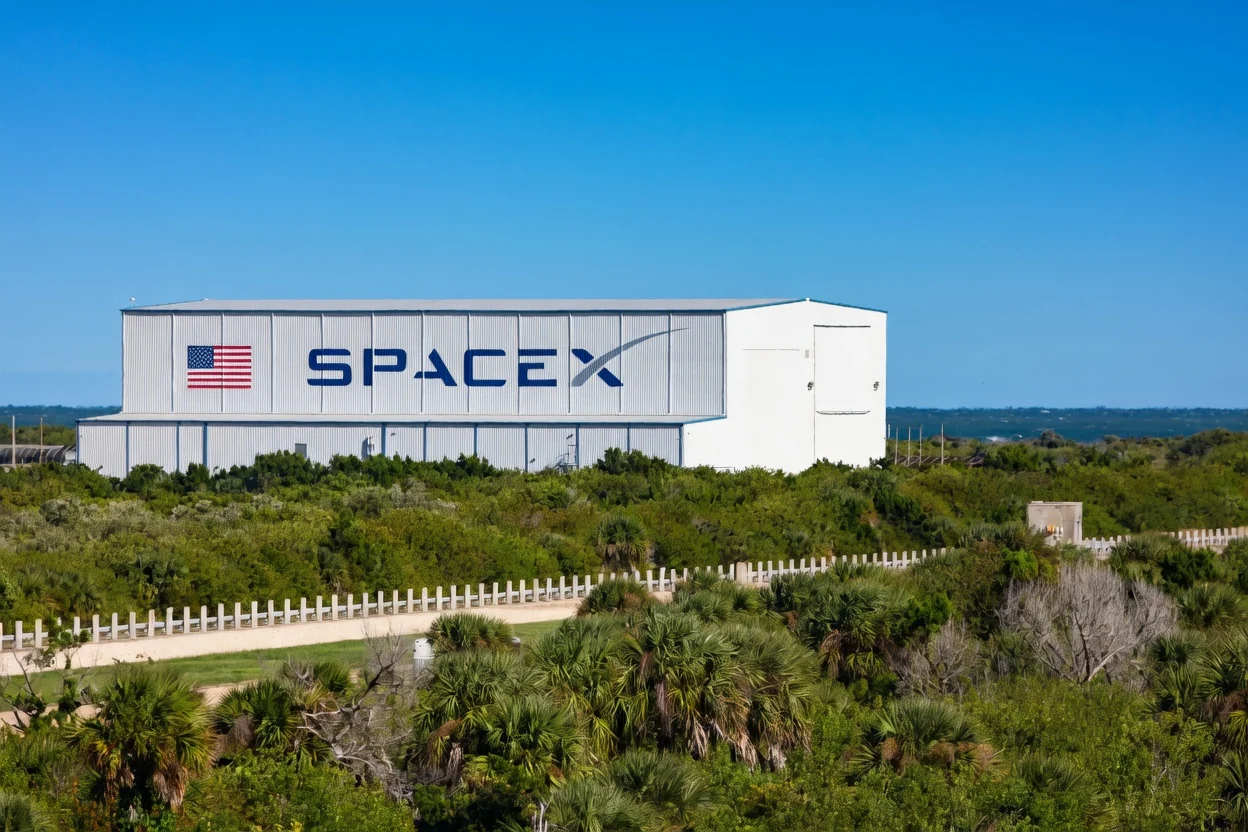
SpaceX made its highly anticipated public market debut on Nasdaq this Friday, securing $75 billion in what became one of the year’s most watched initial public offerings. The stock launched at $150—significantly above its $135 offering price—and concluded trading at $161.11, pushing the company’s market capitalization beyond the $2 trillion threshold.
Cryptocurrency enthusiasts had reason to celebrate what appeared to be a watershed moment. Multiple leading exchanges had announced plans to offer tokenized exposure to SpaceX stock ahead of the public listing.
Those plans fell apart spectacularly.
Bybit, Binance, Bitget Wallet, and MEXC simultaneously pulled the plug on their respective tokenized SpaceX IPO initiatives. Each platform assured customers they would receive complete reimbursements for their deposits.
The culprit behind the coordinated cancellations was xStocks, Kraken’s tokenized securities division. All four exchanges had structured their offerings around xStocks providing the actual equity shares.
“Due to xStocks’ inability to deliver the underlying assets, no SpaceX allocations were received,” Bybit communicated to its user base.
Binance’s initiative had accumulated more than $557 million in USDC commitments from eager customers. The exchange cited “circumstances outside of our control” as the reason for abandoning the campaign.

Why the Shares Ran Out
Demand for SpaceX equity exceeded supply by a factor of more than four. While SpaceX initially intended to allocate 30% of available shares to individual investors, institutional appetite forced that percentage down to the low-20s range before final pricing.
xStocks and its partner platforms accumulated more than $1 billion in customer commitments. When investment banks completed their allocation process, the vast majority of these orders remained unfulfilled.
Direct customers of Kraken and xStocks received only minimal fractions of their requested allocations. Even conventional retail brokerage platforms experienced significant shortfalls, with Access IPOs data showing widespread allocation cuts across the retail segment.
A representative from xStocks cited “overwhelming demand” as the factor preventing order fulfillment and verified that all customer funds had been returned.
A Technology Win, a Supply Failure
Sector observers emphasized that the breakdown wasn’t rooted in technological inadequacy. The blockchain systems functioned precisely as designed. The fundamental issue centered on obtaining actual shares in an exceptionally competitive offering.
“Blockchain rails performed as designed,” explained Olivia Vande Woude from Ava Labs. “What broke was something older and more mundane: the work of actually sourcing the shares.”
Dinari, a tokenization service that deliberately avoided pre-IPO commitments, articulated the core problem plainly. Without successfully sourcing and holding the underlying equity within appropriate regulatory structures, there’s simply no asset available to tokenize.
Despite the campaign failures, tokenized SpaceX shares eventually reached the market following the IPO. Approximately $24 million in tokenized SpaceX equity circulated onchain by Friday evening. Both Ondo Finance and Dinari subsequently introduced their own tokenized SpaceX offerings post-listing.
Bitget Wallet’s chief operating officer Alvin Kan addressed the disappointment on X. “Trust in the industry has taken a blow, but we’ll come out of this stronger,” he stated.
Get 3 Free Stock Ebooks
Discover top-performing stocks in AI, Crypto, and Technology with expert analysis.
- Top 10 AI Stocks - Leading AI companies
- Top 10 Crypto Stocks - Blockchain leaders
- Top 10 Tech Stocks - Tech giants



