


Key Highlights
- Chicago Mercantile Exchange unveiled Bitcoin volatility futures enabling speculation on price fluctuations rather than directional movements.
- Opening block transactions came from DV Chain and Monarq Asset Management when contracts started trading.
- These instruments follow the CME CF Bitcoin Volatility Index, measuring anticipated volatility across four-week periods.
- Market participants gain the ability to establish positions based on expected turbulence without forecasting upward or downward price trends.
- The exchange broadened its cryptocurrency derivatives offerings amid rising trading volumes and open interest figures.
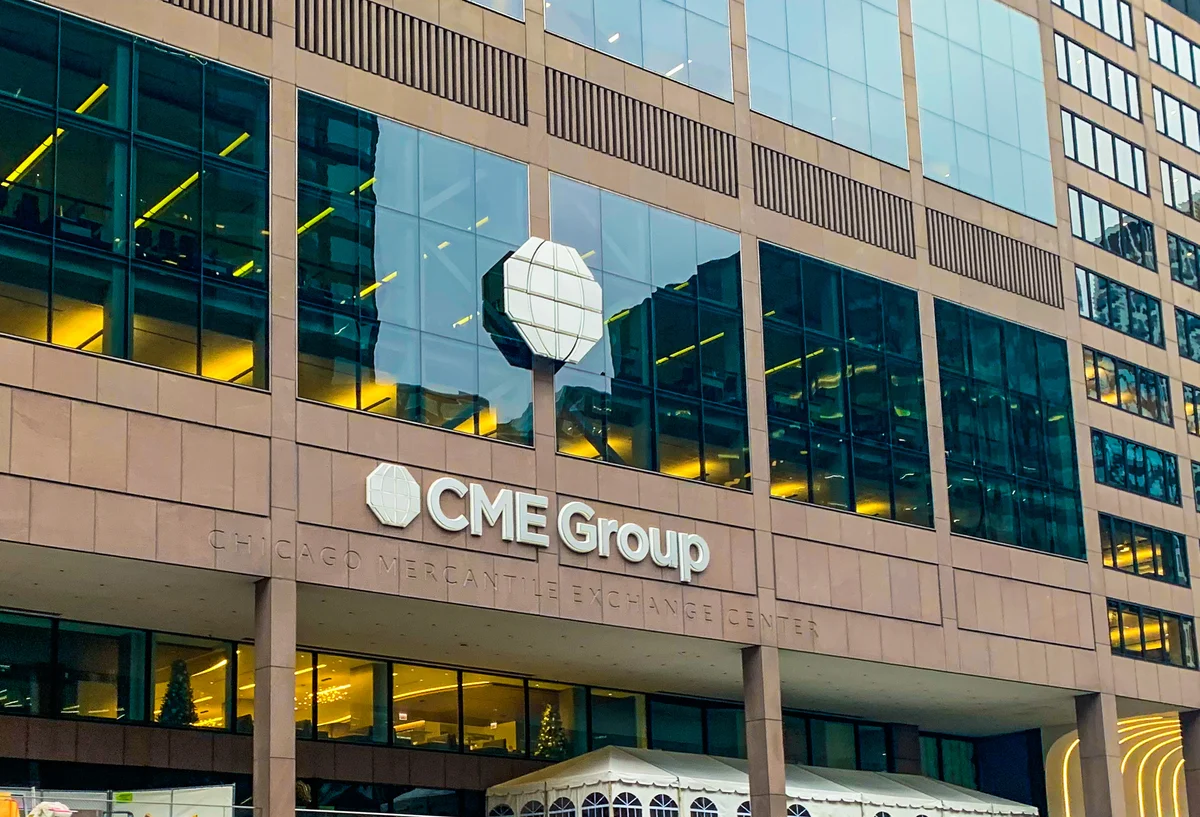
Chicago Mercantile Exchange rolled out Bitcoin volatility index futures, providing market participants with a straightforward mechanism to trade anticipated price fluctuations rather than directional bias. Opening block transactions were completed by DV Chain and Monarq Asset Management when contracts launched last week. These instruments monitor projected volatility across four-week intervals, representing a transformation in how institutions manage Bitcoin exposure.
Exchange Facilitates Trading Based on Expected Bitcoin Price Fluctuations
CME designed these contracts to mirror the CME CF Bitcoin Volatility Index, capturing expected turbulence over the upcoming month. The index quantifies projected price oscillations independent of trajectory, delivering an alternative trading framework for derivatives participants. Consequently, market players can establish positions anticipating heightened movement while remaining neutral on whether bitcoin climbs or declines.
DV Chain and Monarq Asset Management handled the inaugural block transactions when the contracts commenced trading. Their activity demonstrated immediate institutional adoption during the product’s initial phase. These transactions represented the first operational deployment of volatility-centered exposure through a regulated derivatives venue.
Contracts Emphasize Price Fluctuation Rather Than Directional Bias
Traditional cryptocurrency derivatives demand that participants predict price trajectory through futures, perpetual swaps, or options instruments. These volatility futures enable positions established exclusively on anticipated price oscillations within specified timeframes. This framework streamlines approaches centered on turbulence rather than directional conviction.
Market participants can now address scheduled macroeconomic announcements, such as U.S. inflation reports, by establishing long or short volatility exposures. These instruments deliver a straightforward avenue to communicate perspectives on anticipated market turbulence surrounding such releases. Portfolio construction can therefore integrate volatility forecasts without elaborate directional configurations.
Growing Institutional Interest Fuels CME Cryptocurrency Derivatives Expansion
Shiliang Tang, CEO of Monarq, characterized the introduction as progress toward broadening regulated volatility products for digital assets. He remarked, “As bitcoin continues to mature into a mainstream institutional asset class, demand for risk management tools grows.” He noted that these futures enable investors to communicate perspectives and protect portfolios within a transparent structure.

Monarq Asset Management functions as a quantitative digital asset investment firm guided by former leaders from LedgerPrime, Tower Research, and BlockTower Capital. DV Chain serves as a liquidity provider and market-making operation across digital asset ecosystems. Their participation indicates early institutional utilization of these contracts.
CME broadened its cryptocurrency derivatives portfolio with these instruments, supplementing its Bitcoin and Ether futures and options offerings. The exchange documented approximately 266,900 contracts traded year-to-date, representing a 38% climb versus the previous year. Average daily open interest climbed to roughly 274,500 contracts, signaling an 18% advancement during the comparable timeframe.
Get 3 Free Stock Ebooks
Discover top-performing stocks in AI, Crypto, and Technology with expert analysis.
- Top 10 AI Stocks - Leading AI companies
- Top 10 Crypto Stocks - Blockchain leaders
- Top 10 Tech Stocks - Tech giants



