


TLDR
- Charles Hoskinson said he has no special authority over Cardano governance or treasury decisions.
- Cardano’s next move depends on DReps, SPOs, committees, institutions, and treasury voting.
- ADA price pressure has increased attention on funding disputes and weak dApp activity.
- The Cardano governance model is facing a test as research funding remains contested.
- Hoskinson’s pause has shifted focus toward who can coordinate ADA’s next phase.
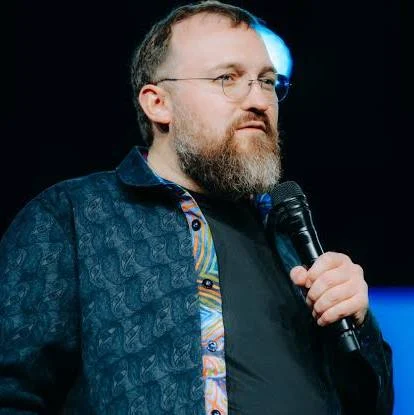
Charles Hoskinson has said he is taking a break from public pressure around Cardano, while stating that he has no special powers over the network. His comments came as ADA holders questioned the chain’s price weakness, governance disputes, and slow application growth.
Hoskinson said he could not directly initiate a hard fork, change protocol parameters, access the treasury, or control Cardano’s trademark. His remarks placed attention on the network’s current governance structure rather than on founder authority.
Cardano governance faces renewed scrutiny
Cardano’s governance system now routes major decisions through decentralized representatives, stake pool operators, the Constitutional Committee, and treasury rules. That structure means major funding and protocol actions require formal approval rather than direction from one public figure.
Hoskinson remains one of Cardano’s most visible advocates through his role at Input Output Global and his public commentary on ecosystem policy. However, his influence is separate from direct control over governance keys, treasury spending, or binding network decisions.
The News should be in the angle of Cardano founder Charles Hoskinson takes “a break” – exposing who really controls ADA’s next move. The issue has become more visible because traders often associate ADA’s performance with Hoskinson, while Cardano’s rules assign authority to multiple governance actors.
Funding dispute adds pressure to ADA debate
The timing of Hoskinson’s pause comes as Cardano faces a funding debate involving research, maintenance, scalability, developer tooling, and ecosystem support. A current proposal seeking treasury funding for IO Research has drawn attention from DReps and community members reviewing spending priorities.

Hoskinson previously warned that Cardano could lose researchers if funding for Input Output’s work failed to receive approval. That warning added pressure to a process designed to let ADA holders and their representatives approve or reject treasury requests.
The dispute has also placed focus on whether Cardano can finance technical work without relying on founder-led coordination. For ADA holders, the question is whether governance can move quickly enough while still maintaining decentralized oversight.
Execution becomes Cardano’s next test
Cardano’s application sector remains a key area of concern, with observers watching DeFi activity, stablecoin liquidity, decentralized exchange volume, and active deployments. Hoskinson also warned that more dApps and DeFi projects could fail as the ecosystem continues to consolidate.
The next stage for Cardano depends on whether DReps, SPOs, Intersect, the Cardano Foundation, EMURGO, Input Output, and builders can coordinate measurable delivery. The outcome of active funding votes and future upgrade decisions may show whether the governance model can support faster execution.
Hoskinson’s break does not amount to a formal exit from Cardano, based on his stated position and continued focus on Cardano and Midnight. It does, however, place direct attention on who can guide ADA’s next move when the founder says the network’s levers are no longer his to pull.
Get 3 Free Stock Ebooks
Discover top-performing stocks in AI, Crypto, and Technology with expert analysis.
- Top 10 AI Stocks - Leading AI companies
- Top 10 Crypto Stocks - Blockchain leaders
- Top 10 Tech Stocks - Tech giants



