


Key Takeaways
- Trump called for Congress to establish permanent crypto market structure legislation through federal law.
- The regulatory framework would split digital asset supervision between the SEC and the CFTC.
- Trump contrasted this approach with Gary Gensler’s enforcement-focused regulatory strategy.
- The CLARITY Act establishes criteria for classifying crypto tokens as securities or commodities.
- The Senate Banking Committee moved its crypto market structure legislation forward on May 14, 2026.
Trump has intensified efforts to transform the United States’ pro-crypto regulatory environment into binding federal legislation through congressional action.
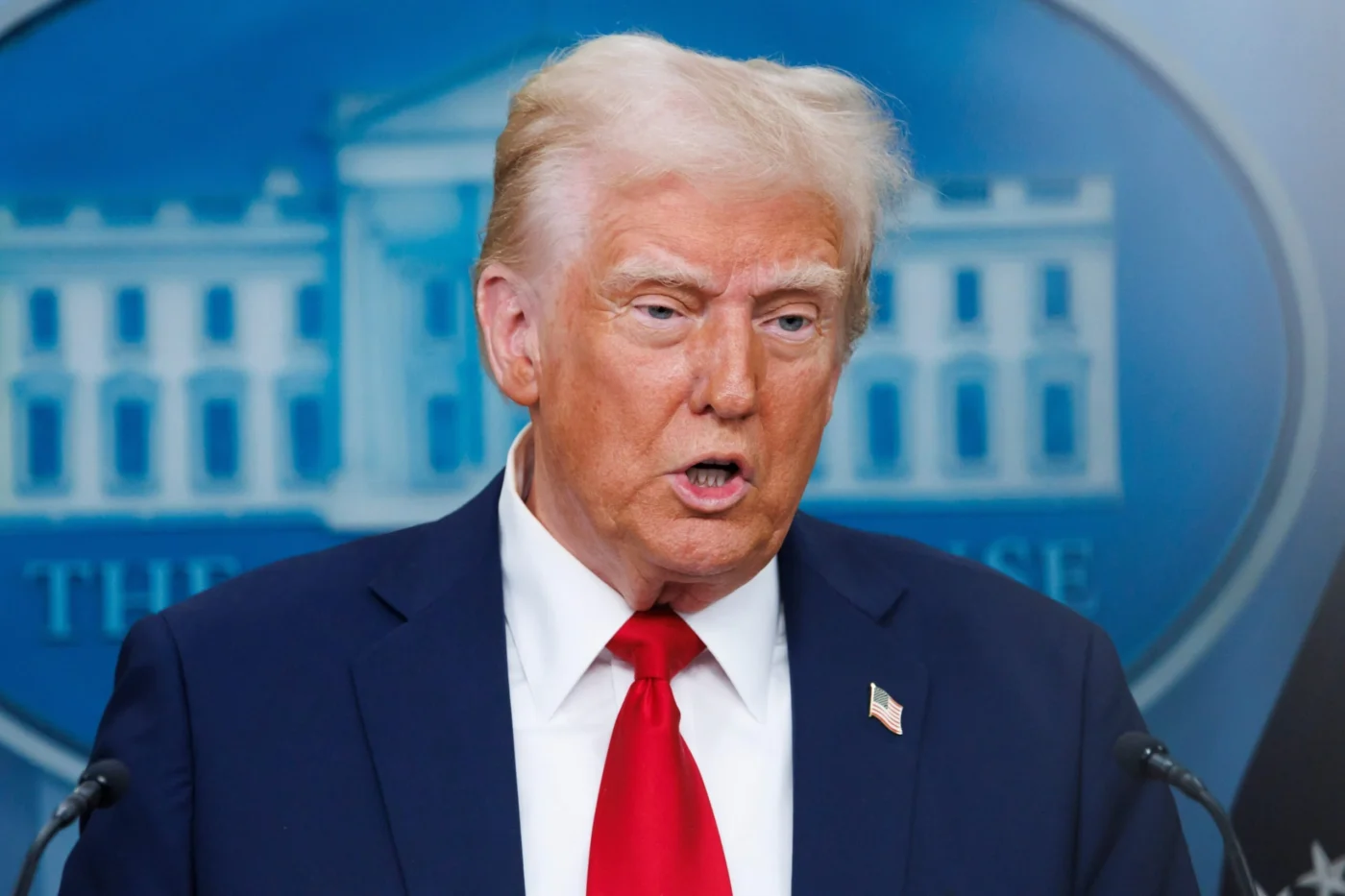
President Donald Trump, through a Truth Social post, stated his administration seeks to establish a lasting digital asset market structure that would prove difficult for future administrations to dismantle. He positioned this initiative as a departure from the enforcement-centered strategy employed during former Securities and Exchange Commission Chair Gary Gensler’s leadership.
The announcement comes while lawmakers continue developing crypto market structure bills designed to allocate federal regulatory authority between the SEC and the Commodity Futures Trading Commission. Advocates for the legislation assert this framework would provide crypto businesses with transparent guidelines covering token launches, exchange operations, asset custody, and consumer safeguards.
Trump Contrasts Proposed Rules With Gensler’s Regulatory Approach
In his social media statement, Trump criticized Gensler and what he described as forces hostile to digital assets for driving Bitcoin, crypto derivatives, and blockchain innovation away from American shores. He claimed his administration had reversed this trend by establishing America as the global center for cryptocurrency development.
Gensler served as SEC Chair from April 2021 through January 2025. Throughout his tenure, the commission initiated legal proceedings against prominent crypto exchanges, including Coinbase, Binance, Ripple, and Kraken. The SEC maintained that numerous crypto tokens qualified as unregistered securities and insisted that trading venues adhere to traditional securities regulations.
Crypto enterprises and trade associations contended throughout Gensler’s chairmanship that existing regulations failed to address blockchain technology’s unique characteristics. Multiple companies relocated significant operations to jurisdictions such as Dubai, Singapore, and London, where financial authorities had implemented clearer digital asset frameworks.

Atkins And Selig Advance Alternative Regulatory Structure
Following his inauguration, Trump appointed Paul Atkins to chair the SEC. Under Atkins’ leadership, the commission has departed from numerous enforcement strategies associated with the Gensler administration.
The SEC has collaborated with the CFTC under Chairman Michael Selig to develop more transparent digital asset guidelines. Selig has endorsed legislative proposals that would expand the CFTC’s jurisdiction over crypto spot markets and associated trading activities.
Both agencies have advanced coordinated digital asset policy development through Project Crypto, based on public statements from Atkins. The SEC has indicated its updated token classification framework exempts multiple digital asset categories from securities regulation.
The CLARITY Act serves as the primary legislation connected to Trump’s crypto market structure platform. The House approved the measure on July 17, 2025, according to congressional records referenced by lawmakers and industry organizations.
On May 14, 2026, the Senate Banking Committee passed its version through a 15-9 vote. The committee’s draft establishes standards determining whether crypto tokens require SEC oversight or CFTC supervision.
The legislation additionally outlines operational requirements for crypto companies serving American clients. It addresses provisions for decentralized protocol developers and customer asset treatment during insolvency proceedings.
Congressional Legislation Would Establish Durable Regulatory Foundation
Trump’s emphasis on codifying these standards carries significance because existing crypto policies largely stem from regulatory appointments and administrative decisions. Future presidents could install new regulators who might return to stricter enforcement approaches without congressional involvement.
By embedding crypto market structure principles into statutory law, Trump aims to make policy reversals substantially more challenging. Industry consultants working with the administration indicate legislation would provide companies with greater stability compared to regulatory guidance that can change with leadership transitions.
Get 3 Free Stock Ebooks
Discover top-performing stocks in AI, Crypto, and Technology with expert analysis.
- Top 10 AI Stocks - Leading AI companies
- Top 10 Crypto Stocks - Blockchain leaders
- Top 10 Tech Stocks - Tech giants



