


Key Takeaways
- Sam Altman acknowledges AI hasn’t displaced entry-level white-collar positions as he previously forecasted
- The OpenAI chief executive confessed being “pretty wrong” about AI’s societal and workplace effects following ChatGPT’s debut
- Personal experiments with AI-automated communication tools led Altman to resume handling correspondence himself
- Human interaction remains an irreplaceable component of professional environments, according to Altman
- Sources indicate OpenAI may pursue a confidential IPO filing with aspirations for a $1 trillion market cap
In a significant reversal, OpenAI’s chief executive Sam Altman acknowledged on Tuesday that artificial intelligence hasn’t triggered the employment crisis he previously anticipated, especially regarding entry-level corporate positions.
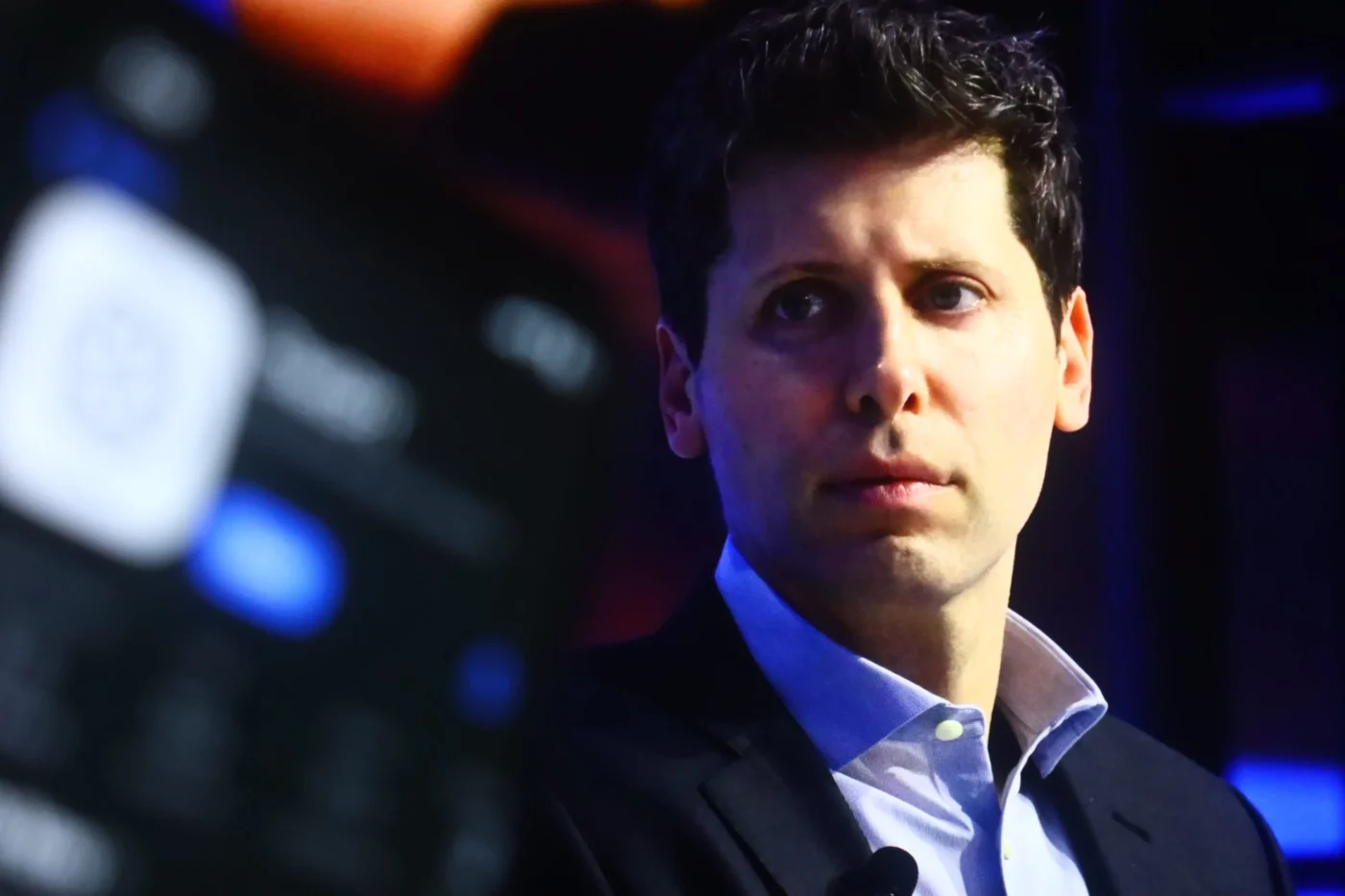
During a virtual appearance at the Commonwealth Bank of Australia’s conference in Sydney, Altman engaged in conversation with CBA’s CEO Matt Comyn about the evolving reality of AI’s workplace impact.
A Public Admission of Miscalculation
While speaking about OpenAI’s trajectory since ChatGPT’s 2022 introduction, Altman conceded that while technical forecasts proved accurate, predictions regarding social and economic consequences missed the mark.
“I’m delighted to be wrong about this,” Altman stated. “I thought there would have been more impact on entry-level white-collar jobs being eliminated by now than has actually happened.”
Reflecting on the anxiety his earlier statements generated, he noted: “People are like ‘oh you could have saved the world a lot of fear mongering,'” though he maintained that highlighting potential risks remained justified at the time.
The OpenAI leader didn’t provide concrete employment statistics during the discussion. However, he has historically discussed potential widespread workforce reductions stemming from AI capabilities.
Notably, several multinational corporations have initiated AI-driven workforce restructuring. Companies including HSBC, Amazon, Standard Chartered, and Commonwealth Bank of Australia have publicly disclosed automation-related staffing adjustments.
Personal Testing Reveals Human Connection’s Value
Altman’s perspective transformation followed firsthand experimentation with AI tools in his own workflow. He deployed artificial intelligence to manage Slack conversations and email communications, transparently marking automated replies with “this is Sam’s AI.”

This hands-on trial prompted reconsideration of how people perceive authentic human engagement. “We really do care about our interactions with people,” he explained. “This is not something that I can imagine myself outsourcing to an AI anytime soon.”
This practical experience illuminated why employment displacement hasn’t reached projected levels. Numerous professional functions continue demanding human elements that technology cannot authentically reproduce.
“It really updated me to thinking that the jobs picture is likely to be very different than we thought,” Altman remarked.
He continued: “I don’t think we’re going to have the kind of jobs apocalypse that some of the companies in our space advocate or talk about.”
Potential Public Market Debut Looms
Meanwhile, Reuters disclosed last week that OpenAI is making arrangements to submit confidential documentation for a United States initial public offering within the upcoming weeks.
Reports suggest the organization aims for a $1 trillion valuation while seeking to secure no less than $60 billion in capital, based on October Reuters coverage.
Altman refrained from commenting on potential IPO developments during Tuesday’s conference session.
Get 3 Free Stock Ebooks
Discover top-performing stocks in AI, Crypto, and Technology with expert analysis.
- Top 10 AI Stocks - Leading AI companies
- Top 10 Crypto Stocks - Blockchain leaders
- Top 10 Tech Stocks - Tech giants



