



Key Takeaways
- Crude oil markets reversed course Tuesday following American military operations targeting Iranian missile infrastructure and naval vessels
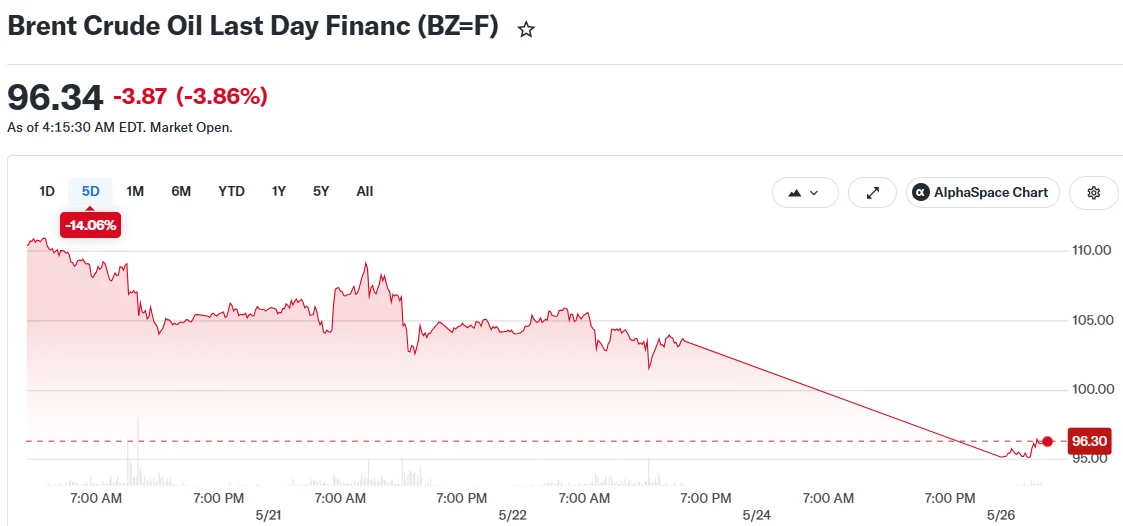
- Brent crude futures climbed back above $98 per barrel following Monday’s 7%+ decline
- State Department leader Rubio indicates diplomatic resolution may require several more days
- The critical Strait of Hormuz shipping channel remains effectively shut, affecting approximately 20% of worldwide petroleum transport
- International Energy Agency reports unprecedented depletion rates in worldwide oil stockpiles
Petroleum markets staged a recovery Tuesday following American military operations against Iranian infrastructure, introducing fresh uncertainty into diplomatic efforts aimed at reopening the strategically vital Strait of Hormuz.
Brent crude futures advanced beyond $98 per barrel, bouncing back from Monday’s sharp decline exceeding 7%. West Texas Intermediate traded around $92 per barrel.
US Central Command confirmed military forces targeted missile-launching facilities and vessels engaged in suspected mine-laying operations in southern Iranian waters. Officials characterized the operation as defensive measures while maintaining that ceasefire arrangements remained operational.
Tehran issued warnings that any strikes against its military installations would trigger retaliatory responses. As of Tuesday, no Iranian counter-strikes had been documented.
Current Status of Hormuz Negotiations
Diplomatic discussions between Washington and Tehran continue, though no finalized agreement has emerged. Secretary of State Marco Rubio addressed media representatives in India Tuesday, suggesting negotiations would require “a few days” as negotiators refine language in preliminary documentation.

The contemplated agreement would prolong the current ceasefire approximately two months. According to the proposed framework, American forces would terminate their blockade operations while Iran would reopen the Strait of Hormuz.
Significant disagreements persist. Tehran insists on maintaining authority over maritime traffic management through the waterway. Washington, alongside Arab nations and European partners, maintains such control cannot be granted.
Regarding nuclear matters, President Trump expressed preference for Iran’s enriched uranium to be either neutralized domestically or transferred to American custody. Iran has predominantly rejected abandoning its uranium reserves though has indicated potential willingness for future discussions on the subject.
Israel introduced additional complications Monday by announcing intensified operations against Iranian-supported Hezbollah forces in Lebanon. Tehran has demanded cessation of such military activities as a prerequisite for any comprehensive agreement.
Senior energy analyst Saul Kavonic at MST Marquee said it is “premature to consider a peace deal will be reached let alone adhered to,” pointing out that both sides have previously claimed progress only for it not to materialize.
Implications for Worldwide Energy Markets
The Strait of Hormuz facilitated transport of approximately one-fifth of the world’s oil and liquefied natural gas shipments during normal conditions. The waterway remains virtually inaccessible, constrained by blockades imposed by both American and Iranian forces.
The International Energy Agency indicates global petroleum stockpiles are declining at historic rates. Within the United States, combined commercial and strategic reserves have been depleting at extraordinary speed.
Escalating energy expenses have contributed to inflationary pressures, intensifying challenges for monetary authorities. European Central Bank official Isabel Schnabel stated the ECB faces necessity to implement interest rate increases next month regardless of rapid conflict resolution.
Crude oil values had advanced during March and April but are tracking toward decreased valuations in May.
Get 3 Free Stock Ebooks
Discover top-performing stocks in AI, Crypto, and Technology with expert analysis.
- Top 10 AI Stocks - Leading AI companies
- Top 10 Crypto Stocks - Blockchain leaders
- Top 10 Tech Stocks - Tech giants



