


Key Takeaways
- Analysts at Bank of America caution that upcoming SpaceX and OpenAI public offerings may elevate US market concentration to 48%, surpassing historical dot-com era peaks
- Consumer Price Index data for April registered 3.8%, nearing the critical 4% threshold that historically triggers equity market weakness
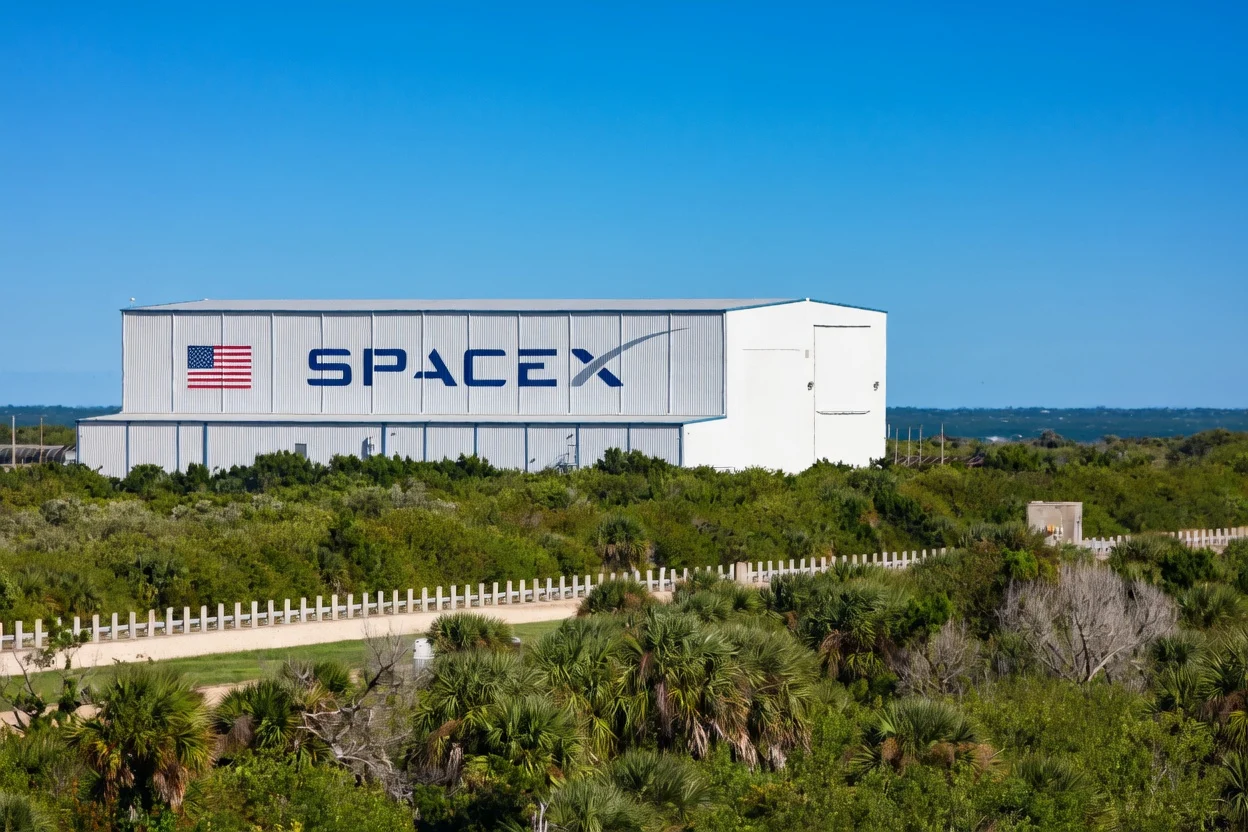
- SpaceX plans a Nasdaq debut potentially beginning June 11
- Rapid inclusion in the Nasdaq-100 index may trigger mandatory ETF share purchases, potentially generating near-term price swings
- The QQQ ETF maintains a Strong Buy rating from Wall Street experts, with analysts projecting an average target of $817.97
SpaceX and OpenAI continue advancing toward their anticipated public market debuts, capturing significant attention from financial institutions. These potential listings represent what could be two of the most substantial initial public offerings in American market history, prompting analysts to raise concerns about implications for overall market health.
Michael Hartnett, a strategist at Bank of America, projects that incorporating these companies alongside current artificial intelligence industry leaders would elevate the concentration of America’s largest stocks from 40% to approximately 48% of aggregate US market capitalization. This concentration level would surpass benchmarks established during the dot-com era, the Nifty Fifty period, Japan’s economic expansion in the 1980s, and the 1920s bull market.
The sole historical precedent showing greater concentration occurred during the 1880s railroad expansion.
Inflationary Pressures Compound Market Concerns
The timing of these potential listings carries significant weight. April’s Consumer Price Index showed a 3.8% annual increase, approaching the 4% threshold that Bank of America identifies as a critical warning level for equity investments.
Historical analysis from BofA reveals that when CPI initially breached 4%, the S&P 500 typically declined approximately 4% during the subsequent three-month period and nearly 7% over six months. While current levels haven’t reached that trigger point, the upward trajectory is unmistakable.
Concurrently, the 30-year Treasury yield is climbing back toward 5%. Elevated yields increase the cost of capital and make it harder to justify premium valuations for companies whose profitability may materialize years into the future. Both SpaceX and OpenAI would demand precisely this type of forward-looking investor confidence.

Bank of America’s analysis of major historical IPOs reveals inconsistent patterns. Some launches coincided with market rallies, others aligned with periods of weakness, and many generated minimal broader index movement. The offering itself doesn’t reliably predict market direction — surrounding economic conditions matter more.
Implications for ETF Shareholders from the SpaceX Listing
SpaceX is pursuing a Nasdaq listing with a potential debut date of June 11. According to Nasdaq’s revised regulations, exceptionally large companies may qualify for accelerated entry into the Nasdaq-100 index when they rank among the largest eligible entities.
This creates particular considerations for the Invesco QQQ ETF, which mirrors the Nasdaq-100 composition. Should SpaceX meet fast-track inclusion criteria, exchange-traded funds and index-tracking portfolios would face pressure to acquire shares rapidly, potentially before adequate price discovery occurs in the open market.
The issue isn’t SpaceX’s fundamental business prospects. Rather, it’s structural mechanics. Mandatory purchasing combined with restricted public float availability could artificially inflate the stock price initially. If subsequent demand diminishes and the entry price proves inflated, the QQQ would experience corresponding downside exposure.
SpaceX’s addition would further amplify the concentration challenge already evident in the Nasdaq-100, which maintains significant weighting toward a limited group of technology giants.
Presently, Wall Street analysts maintain a Strong Buy consensus rating on QQQ, supported by 88 buy recommendations and 13 hold ratings issued over the past three months. The consensus price target sits at $817.97, suggesting roughly 14% appreciation potential from present trading levels.
Whether this projected upside materializes may largely depend on SpaceX IPO pricing decisions and inflation trajectory over coming months.
Get 3 Free Stock Ebooks
Discover top-performing stocks in AI, Crypto, and Technology with expert analysis.
- Top 10 AI Stocks - Leading AI companies
- Top 10 Crypto Stocks - Blockchain leaders
- Top 10 Tech Stocks - Tech giants



