


Key Highlights
- The off-price retailer delivered Q1 revenue of $6.01 billion, representing a 21% year-over-year increase and surpassing analyst expectations of $5.64 billion.
- Comparable store sales climbed 17%, significantly exceeding the consensus forecast of 9.4%, fueled by increased foot traffic and elevated tax refund-related spending.
- Earnings per share reached $2.02, marking a 37% increase and substantially outperforming guidance of $1.60–$1.67 as well as the Street estimate of $1.73.
- The company’s operating margin reached 13.4%, surpassing its projected range of 11.8%–12.1%.
- Management upgraded its fiscal 2026 full-year outlook, now anticipating comparable sales growth of 6%–7% and earnings per share between $7.50 and $7.74, representing a 13%–17% year-over-year improvement.
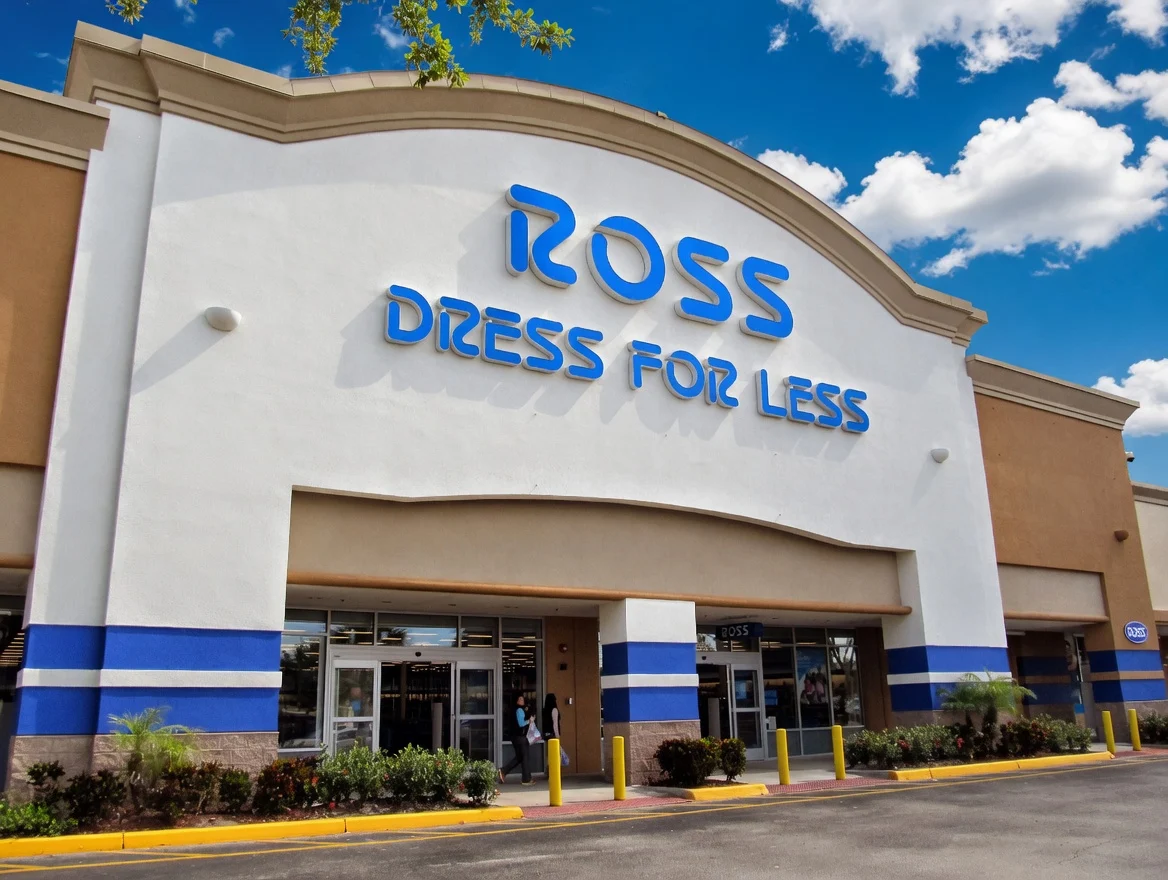
Shares of Ross Stores surged 5.3% in Friday’s premarket session, climbing above $228, following the discount retailer’s impressive first-quarter performance that exceeded expectations on all key financial metrics.
Revenue for the quarter concluded in early May increased 21% to reach $6.01 billion, comfortably beating the Street’s projection of $5.64 billion.
Comparable store sales expanded 17% — nearly doubling the 9.4% consensus forecast. Chief Executive Jim Conroy highlighted that the growth was “broad-based” spanning all merchandise categories, customer income brackets, demographic age groups, and geographic markets.
“Momentum remained strong throughout the entire quarter,” Conroy noted. He attributed the performance primarily to robust customer traffic, complemented by enhanced marketing initiatives and an elevated in-store shopping experience.
The timing of tax refunds provided additional tailwinds. Conroy explained that increased consumer expenditure connected to tax refund distributions contributed meaningfully to the quarter’s sales performance.

Earnings per share totaled $2.02, up 37% from the prior year’s $1.47. This result significantly exceeded both internal guidance of $1.60–$1.67 and the analyst consensus of $1.73.
The operating margin reached 13.4%, considerably above management’s forecasted range of 11.8%–12.1%, primarily attributable to improved merchandise margins and operational leverage from the robust sales volume.
Quarterly net income climbed to $650 million, compared to $479 million in the same period last year.
Performance Drivers and Category Strength
All primary merchandise divisions reported comparable sales increases in the mid-to-high teens or beyond. Women’s apparel and cosmetics emerged as particularly strong performers, with Conroy highlighting new brand partnerships and the popularity of Korean beauty products as significant growth catalysts in the cosmetics segment.
The company’s dd’s DISCOUNTS banner also generated substantial revenue growth across both product categories and regional markets. From a geographic perspective, the Midwest region led performance, though strength was evident nationwide.
Conroy emphasized that customer transaction counts on a comparable-store basis increased by double digits, with improvements spanning all income demographics, ethnic groups, and age segments — notably including younger consumers. “Our comparable sales health has been transaction-driven for three consecutive quarters,” he stated.
On the expense front, merchandise margins expanded by 85 basis points, while occupancy costs leveraged 60 basis points against the substantial sales base. Elevated fuel prices partially offset freight cost improvements, and incentive compensation increased proportionally with the exceptional earnings performance.
The quarter concluded with consolidated inventory levels up 12%. Packaway inventory represented 36% of total stock, down from 41% in the prior year. Conroy characterized closeout merchandise availability as “outstanding.”
Expansion Plans and Forward Outlook
Ross concluded Q1 operating 2,282 locations after opening 17 new stores spanning 11 states. The company’s fiscal 2026 plan calls for approximately 110 new store openings, representing roughly 5% unit growth. This expansion includes approximately 85 Ross locations and 25 dd’s DISCOUNTS units, accounting for 10–15 closures or relocations.
For the second quarter, management projects comparable sales growth of 6%–7% and earnings per share ranging from $1.85 to $1.93, reflecting a 19%–24% year-over-year increase. Total Q2 revenue is anticipated to grow 9%–11%.
For the complete fiscal year 2026, Ross elevated its guidance to comparable sales growth of 6%–7% and earnings per share of $7.50–$7.74, up from $6.61 in the prior year.
Conroy observed that the quarter represented “the strongest same-store sales growth in the company’s 40-year history.”
Get 3 Free Stock Ebooks
Discover top-performing stocks in AI, Crypto, and Technology with expert analysis.
- Top 10 AI Stocks - Leading AI companies
- Top 10 Crypto Stocks - Blockchain leaders
- Top 10 Tech Stocks - Tech giants



