


Key Takeaways
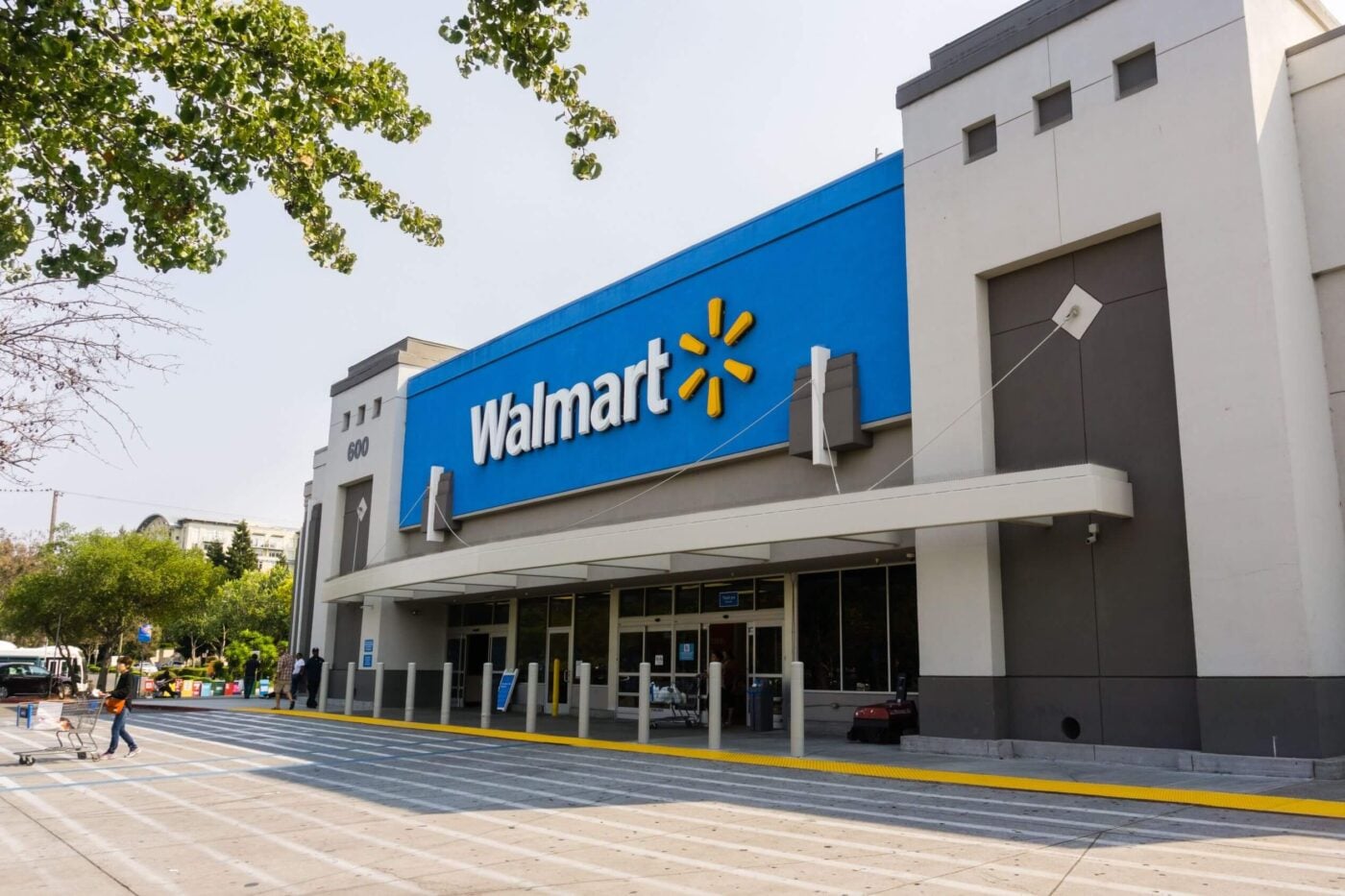
- Walmart shares plummeted over 6% Thursday, marking the largest single-session decline in more than a year
- First-quarter earnings per share of 66 cents aligned with forecasts; revenue reached $177.75B, topping projections, but second-quarter outlook fell short of analyst expectations
- Chief Financial Officer John David Rainey highlighted disparate consumer pressures, noting lower-income households are feeling the pinch as gasoline costs soar to $4.56 per gallon
- Digital commerce revenue jumped 26% from the prior year; ad business revenue climbed 37%
- Annual sales projection unchanged, anticipated to reach the high end of the 3.5%–4.5% growth forecast
Walmart delivered respectable first-quarter results by most measures — revenues exceeded forecasts, profits met expectations, and digital sales continued their upward trajectory. Yet investors responded with a sharp selloff, and the reasoning is straightforward.
The retail giant provided second-quarter profit guidance ranging from 72 to 74 cents per share. Analysts had been anticipating 75 cents. That modest shortfall triggered a more than 6% decline in WMT shares Thursday, representing the sharpest single-day retreat in 13 months.
The stock had enjoyed a robust rally leading into the report — climbing over 17% year-to-date and outperforming the S&P 500 index. Such momentum left little cushion for any negative surprises.
For the three months concluding April 30, Walmart posted adjusted earnings of 66 cents per share, matching analyst projections and improving from 61 cents in the same period last year. Total revenue hit $177.75 billion, marking a 7.3% year-over-year jump and surpassing the $175 billion Wall Street consensus.

Net profit increased nearly 19% compared to last year, reaching $5.33 billion.
Escalating Fuel Costs Are Altering Consumer Behavior
Chief Financial Officer John David Rainey provided transparent commentary on current shopping patterns. Nationwide gasoline prices have risen to an average of $4.56 per gallon, a substantial increase from $3.18 during the comparable period last year. This spike is straining lower-income consumers and influencing their purchasing decisions.
“The overall consumer remains fairly resilient, but beneath the surface, the strain is not evenly distributed,” Rainey explained. “Lower-income customers are clearly exhibiting more price-sensitive behavior.”
The positive aspect: these budgetary constraints are driving additional shoppers to Walmart’s stores. Affluent customers, conversely, are increasingly utilizing Walmart’s delivery options and purchasing higher-margin merchandise including apparel and cosmetics.
Elevated fuel expenses also increased Walmart’s operational costs related to transportation networks and online order fulfillment.
Domestic comparable store sales advanced 4.1% throughout the quarter, aligning with forecasts but representing the most modest expansion rate since the beginning of 2024.
For comparison, competitor Target reported comparable sales growth of 5.6% one day earlier and raised its annual forecast.
Digital Platforms and Ad Business Provide Growth Momentum
The online segment of operations continues delivering substantial contributions. Worldwide e-commerce revenue expanded 26% year-over-year, with digital channels now representing approximately one-quarter of global sales volume.
Advertising revenue skyrocketed 37%. Income from membership programs increased 17.4%.
At the Sam’s Club warehouse division, comparable sales grew 3.9%, exceeding analyst projections, with customer visit frequency up 6.2%.
Walmart indicated it will continue emphasizing competitive pricing to gain additional market share amid evolving consumer dynamics.
The retailer also revealed it has submitted applications for tariff reimbursements following a US Supreme Court decision declaring certain trade duties unlawful. Rainey estimated Walmart had remitted approximately $2.4 billion under those tariff provisions but cautioned the company does not anticipate a substantial financial recovery from the filing.
Full-year revenue guidance remained intact, with sales projected to finish near the upper boundary of the 3.5% to 4.5% growth band.
Wall Street analyst consensus continues trending positive overall, with most research firms maintaining buy recommendations on WMT shares.
Get 3 Free Stock Ebooks
Discover top-performing stocks in AI, Crypto, and Technology with expert analysis.
- Top 10 AI Stocks - Leading AI companies
- Top 10 Crypto Stocks - Blockchain leaders
- Top 10 Tech Stocks - Tech giants



