


Key Takeaways
- Governor Tim Walz enacted SF 4760, marking Minnesota as the first state to implement a complete prohibition on prediction markets, with enforcement beginning August 1.
- Federal regulators launched legal action against Minnesota within a day of the bill’s signing, asserting exclusive federal authority over prediction market operations.
- Federal agencies contend that prediction market instruments fall under federally supervised “swaps” and lie beyond state regulatory reach.
- The legislation potentially subjects financial institutions, payment systems, news organizations, and professional sports organizations to criminal prosecution.
- Separately, Minnesota enacted legislation permitting digital asset custody at financial institutions while prohibiting cryptocurrency ATM installations.
Minnesota has established itself as the nation’s first state to completely prohibit prediction markets, prompting swift federal opposition.
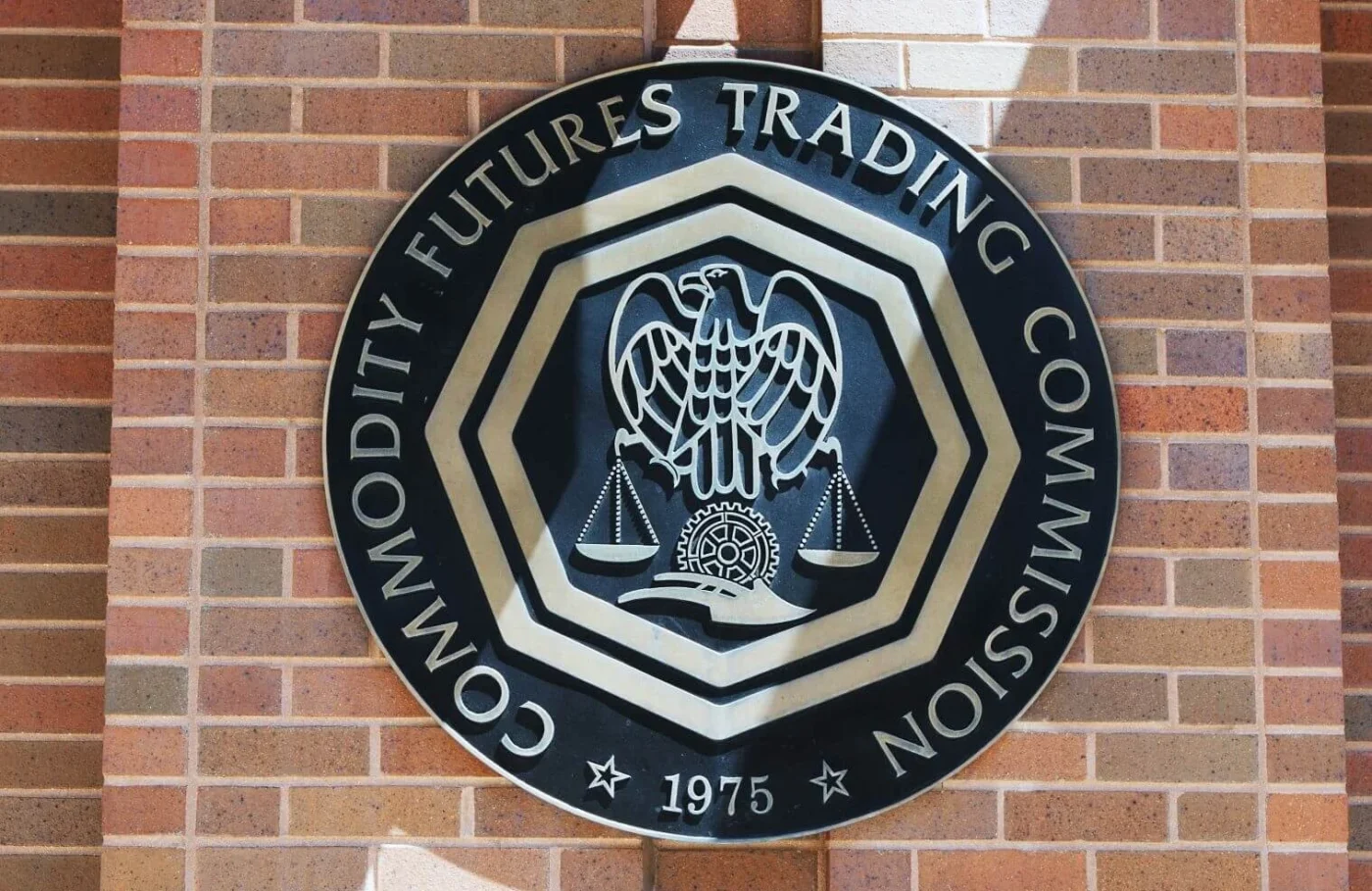
Governor Tim Walz approved Senate File 4760 on Monday. Before 24 hours elapsed, the Commodity Futures Trading Commission alongside the Department of Justice initiated legal proceedings against Minnesota, Walz, Attorney General Keith Ellison, and Public Safety Director Jon Anglin.
Scheduled for implementation on August 1, the legislation forbids promotion, development, management, or support of prediction market operations. The statute classifies event-based contracts — encompassing athletics, meteorological events, armed conflicts, and additional categories — as prohibited “gambling activities.”
Services including Kalshi and Polymarket face direct consequences from this regulation.
Federal Regulators Assert Jurisdictional Authority
The CFTC maintains it possesses “exclusive jurisdiction” regarding prediction markets through the Commodity Exchange Act. Federal authorities contend these financial instruments constitute “swaps” conducted through CFTC-sanctioned platforms and remain outside state regulatory boundaries.
“This flagrant and unprecedented incursion into the Commission’s exclusive regulatory sphere must be preliminarily and permanently enjoined,” the complaint states.

Federal litigation further contends Minnesota’s statute improperly extends criminal exposure to financial institutions, transaction processors, news organizations, and athletic associations maintaining relationships with or promoting prediction market services.
The CFTC explicitly referenced collaborations with Major League Baseball, the NHL, Fox, Dow Jones, and the Wall Street Journal as illustrations.
A Kalshi spokesperson characterized the Minnesota statute as “unenforceable” and a “blatant violation of the constitution and federal law.” Polymarket did not respond to requests for comment.
Recurring Conflicts Over State Regulation
Minnesota represents the latest in a series of states confronting federal authorities regarding prediction market oversight. The commission has previously initiated litigation against Illinois, Arizona, Connecticut, and New York concerning comparable efforts to constrain these services through state gaming regulations.
CFTC Chair Michael Selig, presently the commission’s sole active member, has repeatedly indicated state-level prohibitions would face legal challenges. As of Tuesday, President Trump had not appointed replacement commissioners to complete the five-member board.
This past March, the CFTC released formal guidance concerning prediction markets and solicited public feedback regarding prospective regulatory frameworks.
Minnesota’s Divergent Digital Asset Strategy
Minnesota has pursued contrasting approaches toward cryptocurrency and blockchain oversight in recent months.
Coinciding with the prediction markets prohibition announcement, Walz approved separate legislation authorizing Minnesota banking institutions and credit unions to provide digital currency custodial services, similarly effective August 1.
Previously, during February, Minnesota established itself as the nation’s second state — following Indiana — to prohibit cryptocurrency automated teller machines and terminals, referencing extensive fraudulent schemes and deceptive practices affecting state residents.
The CFTC’s legal filing seeks judicial intervention to both temporarily and permanently prevent Minnesota’s prediction markets prohibition before implementation.
Get 3 Free Stock Ebooks
Discover top-performing stocks in AI, Crypto, and Technology with expert analysis.
- Top 10 AI Stocks - Leading AI companies
- Top 10 Crypto Stocks - Blockchain leaders
- Top 10 Tech Stocks - Tech giants



