


Key Takeaways
- Michael Burry expanded his holdings in MercadoLibre, Adobe, PayPal, Lululemon, and Zoetis.
- He acquired shares of MercadoLibre around $1,500, describing it as a discounted long-term opportunity.
- Burry established a substantial position in Lululemon, which he considers underpriced.
- He cautioned that current AI investment trends resemble the dot-com bubble dynamics.
- Recent data reveals 87% of venture capital is now directed toward AI firms, echoing 1999’s tech funding boom.
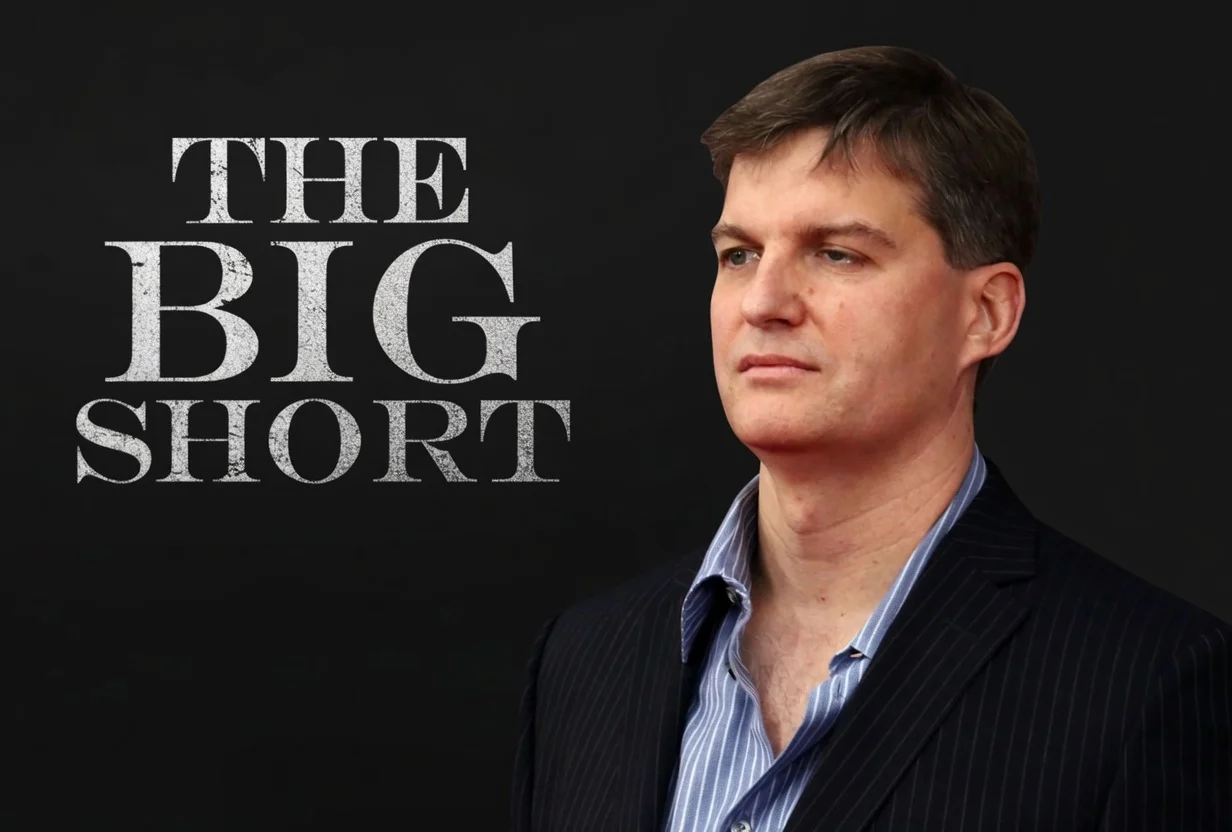
Michael Burry, the legendary investor whose housing market predictions earned him fame through The Big Short, has been strategically accumulating stocks he believes Wall Street is overlooking. As capital floods into artificial intelligence ventures, Burry is taking a different path.
This Monday, Burry revealed fresh investments spanning five companies: MercadoLibre, Adobe, PayPal, Lululemon Athletica, and Zoetis.
In a Substack post, he explained his strategy, characterizing these investments as beneficiaries of a “mass whale fall” occurring beneath the market’s surface attention.
Breaking Down Burry’s Stock Selections
Burry revealed he expanded his MercadoLibre position at prices near the mid-$1,500 level. He characterized it as a solid long-term performer selling at a discount due to concerns over its international footprint.

He also bolstered his holdings in Adobe and PayPal, while highlighting Zoetis — an animal healthcare provider — as an attractive opportunity demanding a patient approach.
Perhaps his most significant commitment came in Lululemon, where he built what he termed a complete position.
Burry’s investment thesis is clear: these companies are undervalued as the market obsesses over AI opportunities.
Burry’s Bubble Concerns
Burry made an explicit parallel to the late 1990s. During that period, established companies and international stocks were neglected as capital rushed into internet and telecommunications plays.
He referenced research from Apollo Chief Economist Torsten Slok demonstrating that 87% of venture funding currently targets AI-focused businesses.
AI-connected borrowers represent nearly half of investment-grade bond offerings and approximately 38% of high-yield debt deals.
Burry noted that over $100 billion in investment-grade debt issued during the 1999–2000 technology surge was subsequently downgraded to junk status within several years.
He characterized the present environment as an asset bubble.
The companies Burry is accumulating have all retreated from peak valuations. Lululemon has declined significantly over the past twelve months. Adobe faces questions regarding its growth trajectory. PayPal continues working to restore investor trust.
MercadoLibre, despite its business strengths, has experienced pressure due to exposure to volatile Latin American currencies and economic conditions.
Zoetis functions in the animal health sector, largely insulated from technology investment cycles.
Burry’s investment premise seems to be that capital flowing out of these companies — propelled by AI excitement — has generated attractive entry points.
His historical performance lends credibility to his contrarian positions. He famously forecasted the US housing market collapse ahead of the 2008 financial meltdown.
Time will tell whether these investments deliver returns, but Burry’s disclosures have spotlighted a collection of stocks largely sidelined during the recent market advance.
Get 3 Free Stock Ebooks
Discover top-performing stocks in AI, Crypto, and Technology with expert analysis.
- Top 10 AI Stocks - Leading AI companies
- Top 10 Crypto Stocks - Blockchain leaders
- Top 10 Tech Stocks - Tech giants



