


Key Highlights
- Treasury Secretary Scott Bessent announced expectations for a substantial Boeing aircraft purchase from China coinciding with President Trump’s Beijing trip.
- Shares of Boeing (BA) advanced 1.2% during premarket hours Thursday after Bessent’s televised remarks on CNBC.
- Negotiations encompass increased Chinese procurement of American energy resources and farm products.
- Officials from both nations are examining innovative investment mechanisms, featuring potential “Board of Trade” and “Board of Investment” frameworks.
- Bessent emphasized the objective centers on trade rebalancing through expanding American exports to China instead of reducing imports.
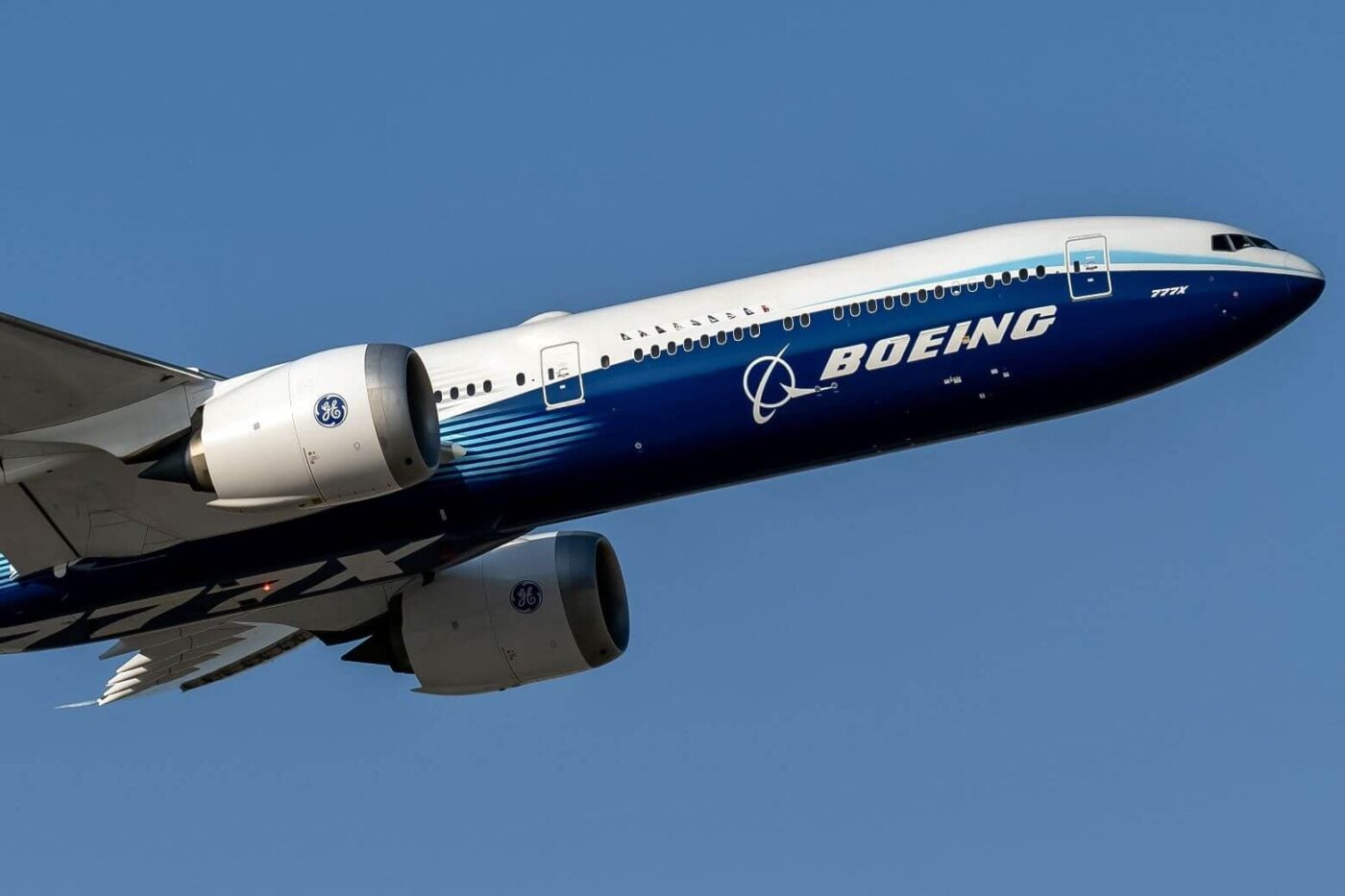
Shares of Boeing (BA) moved higher by 1.2% during Thursday’s premarket session following remarks by Treasury Secretary Scott Bessent, who informed CNBC that China is poised to announce a significant aircraft purchase from Boeing while President Donald Trump conducts his visit to Beijing.
“I think we’re going to see the large Boeing orders,” Bessent stated during his appearance on CNBC’s “Squawk Box.”
His statements arrived as American and Chinese representatives launched a two-day economic summit aimed at recalibrating commercial relations between the planet’s dominant economies.
The potential Boeing procurement is positioned as a centerpiece achievement from the Beijing negotiations. Such an announcement would represent a notable transformation following an extended period of commercial tensions between the United States and China.
Bessent clarified that negotiations extend well beyond aviation contracts. Enhanced Chinese acquisition of American energy products and agricultural commodities remains under consideration, alongside novel structures enabling Chinese capital deployment in non-critical American economic sectors.

Energy Trade and Capital Flows Under Discussion
Regarding energy commerce, Bessent revealed that Chinese representatives have demonstrated enthusiasm for increasing imports of American liquefied natural gas, especially as additional export infrastructure becomes operational.
Agricultural commerce remains another discussion point, although Bessent observed that soybean purchase obligations are predominantly finalized through current agreements.
Both administrations are evaluating two innovative bilateral management platforms: a “Board of Trade” and a “Board of Investment.” These structures aim to facilitate Chinese capital deployment in America while circumventing national security examinations.
“What we want to do is make sure that these investments don’t get referred to CFIUS,” Bessent explained, referencing the Committee on Foreign Investment in the United States.
He additionally dismissed speculation regarding enormous capital pledges from Beijing. “I’m not sure where this $1 trillion investment number has come from,” he remarked.
Trade Balance Restoration Remains Primary Focus
Bessent articulated the overarching purpose of these negotiations: achieving equilibrium in bilateral commerce between both nations.
“That’s the goal here, and that can be done one of two ways — either the U.S. receives fewer imports from China, or we sell more to China,” he explained. “We’re trying to balance that out.”
His stated preference leans toward expanding American export volumes rather than implementing import restrictions.
Boeing has traditionally ranked among the principal beneficiaries of American-Chinese commercial agreements. Chinese aviation companies constitute a substantial portion of demand for Boeing’s passenger aircraft.
The aerospace manufacturer has navigated challenging circumstances recently — manufacturing complications, regulatory oversight, and inconsistent demand have collectively pressured the enterprise. A substantial Chinese procurement would deliver a concrete positive impact.
Boeing (BA) stock registered a 1.2% increase during Thursday’s premarket trading. The official order declaration, should it materialize, is anticipated during Trump’s ongoing Beijing visit.
Get 3 Free Stock Ebooks
Discover top-performing stocks in AI, Crypto, and Technology with expert analysis.
- Top 10 AI Stocks - Leading AI companies
- Top 10 Crypto Stocks - Blockchain leaders
- Top 10 Tech Stocks - Tech giants



