


Key Highlights
- Central bank reassesses wallet holding limits following industry concerns about adoption barriers
- Reserve requirement framework under fresh scrutiny as firms cite competitive disadvantages
- Digital asset companies challenge proposed restrictions on sterling-backed tokens
- Regulators attempt to balance innovation support with financial system protection
- UK competitiveness in digital currency sector hangs in balance amid regulatory debate
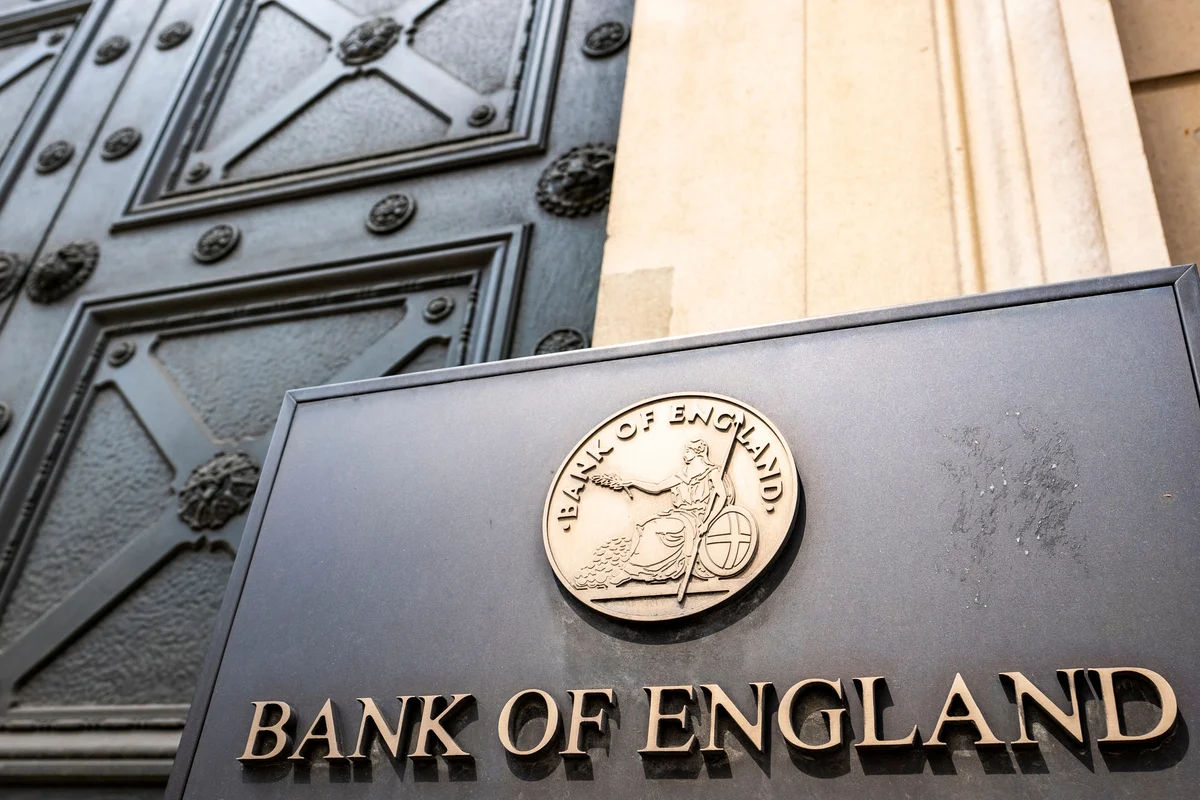
The Bank of England is reconsidering its proposed regulatory framework for stablecoins following strong objections from the digital asset industry. Companies have raised concerns that overly stringent restrictions could harm the United Kingdom’s ability to compete in the global digital currency marketplace. While the central bank remains committed to ensuring financial stability, it now acknowledges that certain provisions may require adjustment.
Wallet Holdings Caps Under Reconsideration
The BOE initially outlined restrictions that would cap individual holdings of sterling-backed stablecoins at £20,000 per token. For corporate entities, the proposed ceiling stood at £10 million per individual stablecoin.
These limitations were crafted to prevent rapid capital flight from traditional banking deposits into digital alternatives. The central bank expressed concern that mass adoption of tokenised sterling could destabilise conventional deposit-taking institutions. Consequently, regulators approached stablecoins with caution typically reserved for systemically important financial instruments.
Industry participants have voiced strong opposition to these constraints. They contend that monitoring holdings across multiple wallets and platforms presents significant operational challenges. Additionally, corporate treasurers and payment processors may find UK-issued tokens impractical if limits restrict their ability to manage liquidity and conduct large-value settlements.
Central Bank Reserve Requirements Draw Criticism
Another contentious element involves the BOE‘s proposal mandating that issuers maintain a minimum of 40% of backing assets in non-interest-bearing accounts at the central bank. This requirement would significantly impact issuer profitability by eliminating returns on a substantial portion of reserves.
The remaining 60% of backing would be permitted in government securities and other highly liquid instruments. Nevertheless, industry representatives argue this structure places UK issuers at a marked disadvantage compared to their counterparts operating under more flexible regulatory regimes in America and continental Europe.

The central bank’s rationale stems from recent episodes of financial stress where deposit withdrawals occurred with unprecedented speed. Officials designed the framework to ensure adequate liquidity buffers during potential market disruptions. However, the institution now indicates willingness to evaluate whether these safeguards exceed what financial stability genuinely requires.
Striking the Right Balance for Digital Currency Growth
This regulatory reassessment unfolds as the United Kingdom works to establish itself as a credible jurisdiction for digital financial innovation. Lawmakers seek to encourage technological advancement while maintaining robust consumer protections and banking sector stability. The BOE faces the delicate task of fostering market development without compromising systemic resilience.
Sterling-denominated stablecoins currently represent a minimal fraction of worldwide digital currency circulation. The market remains dominated by dollar-pegged tokens, which facilitate cryptocurrency trading, cross-border payments, and transaction settlement. The regulatory decisions made in the UK will largely determine whether pound-backed alternatives can establish meaningful market presence.
A more accommodating stance from the central bank could enable issuers to compete more effectively while preserving essential oversight mechanisms. Nonetheless, regulators continue to view stablecoins as functional equivalents to traditional money rather than mere cryptocurrency products. Therefore, any revised framework will likely retain substantial safeguards, albeit with reduced impediments to practical usage.
Get 3 Free Stock Ebooks
Discover top-performing stocks in AI, Crypto, and Technology with expert analysis.
- Top 10 AI Stocks - Leading AI companies
- Top 10 Crypto Stocks - Blockchain leaders
- Top 10 Tech Stocks - Tech giants



