


Key Takeaways
- Bank of America boosted Intel’s price target from $56 to $96 while maintaining an Underperform rating
- The Wall Street Journal disclosed that Apple and Intel have established a preliminary chip production agreement
- Intel shares surged 14% on Friday, reaching an all-time closing price of $124.92 and gaining approximately 240% in 2025
- BofA projects the Apple partnership could generate roughly $10B in yearly foundry revenue for Intel by 2030
- An Intel executive vice president offloaded $4M in stock at $99.53 per share just before the stock’s sharp rally
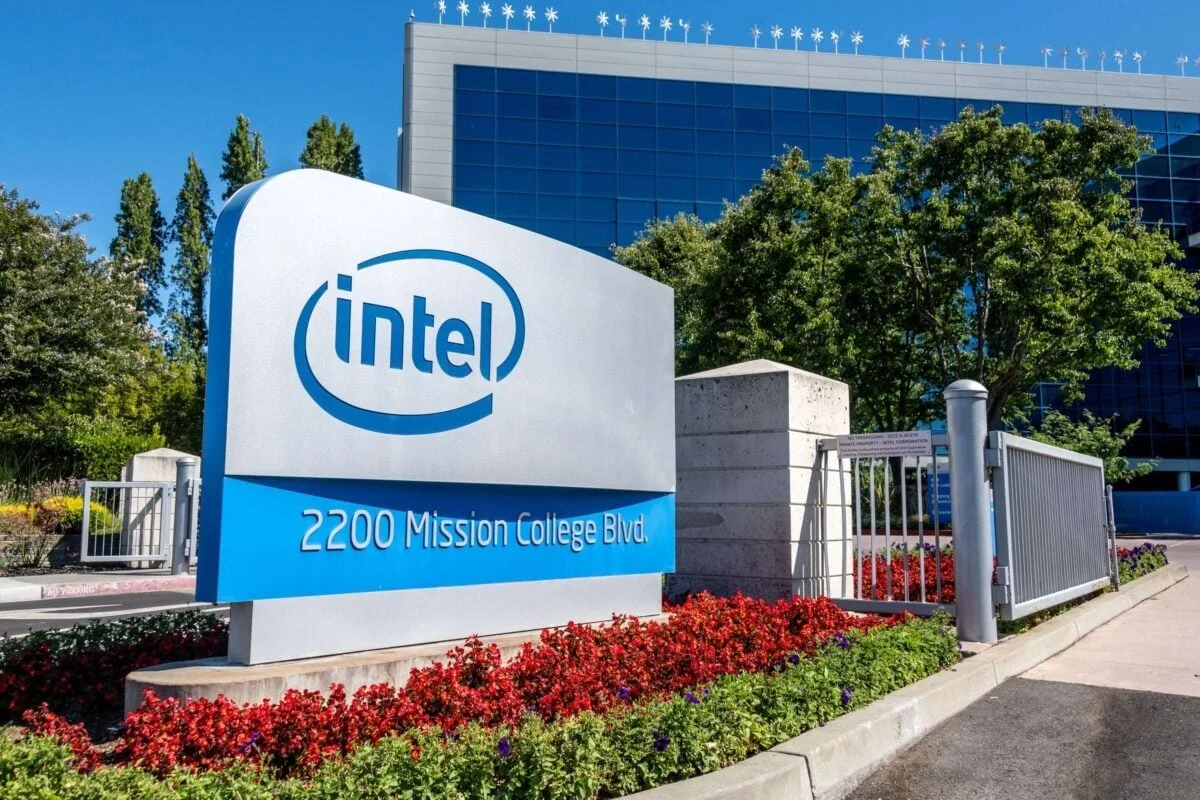
Intel (INTC) shares reached unprecedented levels on Friday following a Wall Street Journal report revealing that Apple and Intel have entered into a preliminary chip manufacturing partnership. Shares closed at $124.92, representing a 14% single-session surge and extending the year-to-date advance to approximately 240%.
Bank of America’s response to the news was mixed: while the firm increased its price target significantly—from $56 to $96—it maintained its Underperform rating. The bank’s research team argues that the potential benefits from the Apple agreement are already reflected in the current valuation.
According to BofA’s analysis, the partnership could ultimately deliver approximately $10 billion in yearly foundry revenue for Intel by the end of the decade, assuming Intel secures around 25% of Apple’s chip production volume. While substantial, analysts caution that several conditions must be met first.
Initially, M-Series processors used in MacBooks and iPads are anticipated to be the first products manufactured under this arrangement. A-Series chips powering iPhones may eventually be included, though that transition remains years away.

BofA has refrained from incorporating the Apple partnership into its official earnings projections, pointing to insufficient details about contractual terms. The firm also highlighted a two-to-three year period required for capital investment, manufacturing qualification, and production scaling.
Profitability Challenges in Initial Phases
Gross profit margins are likely to face pressure during the early implementation period. Equipment depreciation, manufacturing inefficiencies, and initial setup expenses will create headwinds for profitability. Intel’s target of achieving foundry operating breakeven by 2027 may be delayed by one to two years, BofA analysts suggested.
“We reiterate Underperform as we believe these upsides are already fully valued,” the research team stated. They further noted that AMD and ARM are better suited to capitalize on the expanding server CPU market, which BofA now forecasts will grow to $120 billion by 2030, revised upward from a previous $80 billion estimate.
The price target adjustment stemmed from an updated sum-of-parts valuation methodology and the improved server CPU market projection—not directly from the Apple partnership announcement.
Executive Stock Sale Draws Attention
Separate from the partnership announcement, an interesting transaction occurred recently. Executive Vice President April Miller Boise divested roughly $4 million in Intel shares at an average execution price of $99.53—representing a 28% reduction in her position. This transaction marked the largest insider sale at Intel over the trailing twelve months.
The sale occurred at a price significantly below Friday’s closing level of $124.92. Though insider transactions can occur for various personal financial reasons, substantial sales are typically interpreted as a bearish indicator—especially when executed well below subsequent trading levels.
Intel’s insider ownership currently stands at approximately 0.08% of outstanding shares, representing a market value of around $483 million. No insider purchases have been recorded in the most recent three-month period.
As of Monday’s pre-market session, Intel was changing hands at $130.80, representing an additional 4.71% gain from Friday’s record closing price.
Get 3 Free Stock Ebooks
Discover top-performing stocks in AI, Crypto, and Technology with expert analysis.
- Top 10 AI Stocks - Leading AI companies
- Top 10 Crypto Stocks - Blockchain leaders
- Top 10 Tech Stocks - Tech giants



