


Key Takeaways
- Samsung delivered unprecedented Q1 2026 financials with KRW 133.9 trillion in revenue and KRW 57.2 trillion operating profit
- SK Hynix achieved a record quarter with KRW 37.6 trillion in operating profit for Q1 2026
- SK Hynix dominates high-bandwidth memory (HBM) production and maintains the strongest connection to AI semiconductor demand
- Samsung offers broader diversification spanning memory chips, foundry services, smartphones, and consumer products
- Wall Street analysts assign Strong Buy ratings to both companies, with SK Hynix maintaining a marginal advantage
South Korea’s semiconductor landscape is dominated by two giants: Samsung Electronics and SK Hynix. While both companies are riding the artificial intelligence wave, their approaches differ significantly.
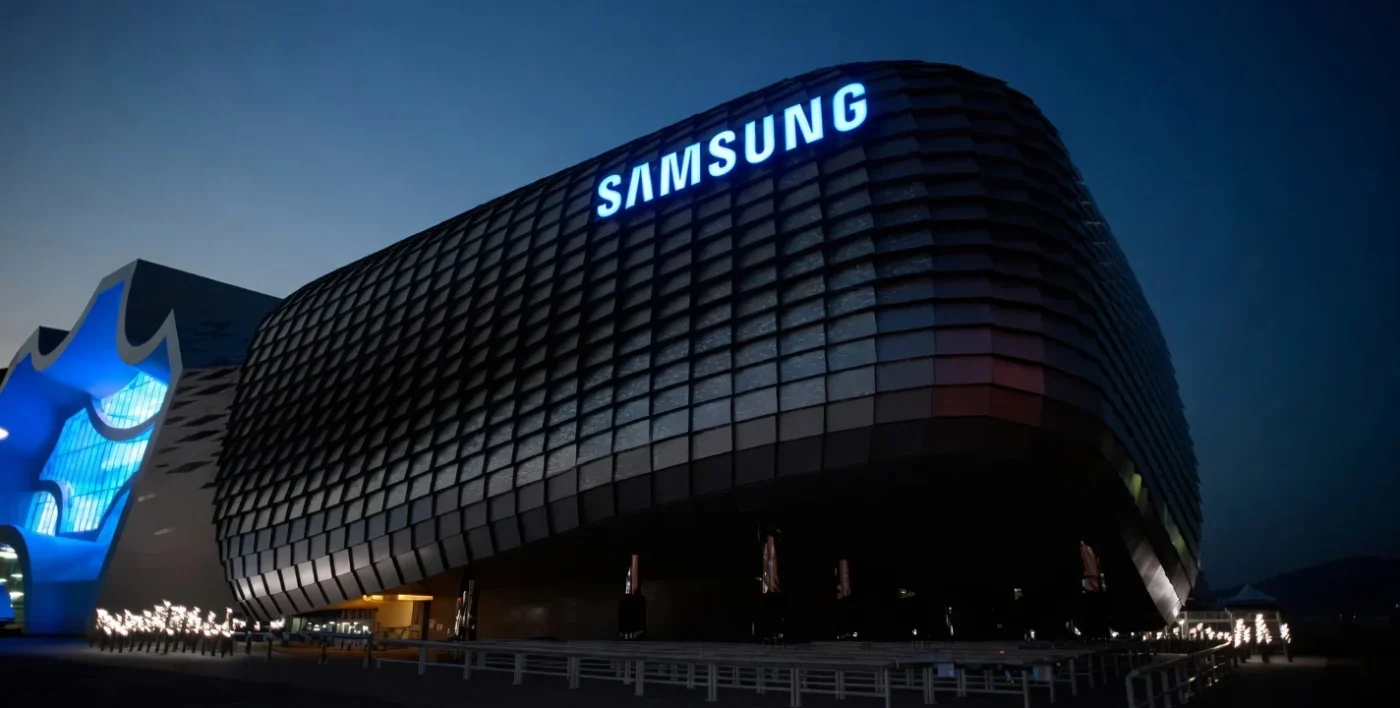
Samsung unveiled historic quarterly performance for Q1 2026. The tech conglomerate generated KRW 133.9 trillion in total revenue alongside operating profit of KRW 57.2 trillion. The semiconductor segment was the primary driver behind these exceptional numbers.
Samsung Electronics Co., Ltd., SMSN.L
The electronics giant has committed over KRW 110 trillion toward 2026 capital expenditures focused on research initiatives and production infrastructure. This substantial investment underscores its determination to maintain competitive positioning in AI semiconductor markets.
Samsung extends far beyond memory production. Its portfolio encompasses foundry operations, mobile technology, home appliances, and display manufacturing. This broad business mix provides insulation against downturns in any single semiconductor category.

Yet this diversification introduces complexity. The company faces multiple operational challenges simultaneously. Reports from Reuters have highlighted workforce friction and potential strike scenarios at chip manufacturing facilities. Additionally, Samsung continues working to narrow SK Hynix’s lead in high-bandwidth memory technology.
SK Hynix: Concentrated Bet on AI Memory
SK Hynix announced its own breakthrough quarterly results for Q1 2026. The memory specialist generated KRW 52.5 trillion in revenue, with operating profit hitting KRW 37.6 trillion and net income reaching KRW 40.3 trillion.
Management indicated that AI chip demand is outpacing production capabilities. This supply-demand imbalance for high-bandwidth memory supports sustained premium pricing and healthy profit margins.
SK Hynix has become synonymous with the HBM revolution. The stock experienced significant appreciation following positive signals about AI infrastructure spending from leading American technology firms.
The company is considering a potential listing on US exchanges. This strategic move would enhance capital-raising options and broaden its institutional investor appeal.
The limitation lies in focus. SK Hynix lacks Samsung’s business diversification. Company performance correlates more tightly with memory chip pricing cycles and the sustainability of AI-fueled semiconductor consumption.
Wall Street’s Perspective
Analyst sentiment favors both semiconductor manufacturers. According to Investing.com analytics, Samsung holds a Strong Buy consensus based on assessments from 37 analysts, with 36 recommending purchase. The consensus 12-month target stands at KRW 274,603.
SK Hynix similarly commands a Strong Buy rating from 38 analysts, including 36 buy recommendations and 2 hold ratings. The average price projection approximates KRW 1,771,866.
While the difference is narrow, SK Hynix holds a slight edge in analyst conviction.
Both organizations are channeling significant resources into capacity expansion as artificial intelligence infrastructure investment accelerates throughout the United States and Asian markets.
Investment Verdict
Samsung represents the optimal choice for investors seeking operational scale and diversified semiconductor exposure. SK Hynix appeals to those prioritizing concentrated AI memory market participation and HBM supply dynamics. SK Hynix delivered superior Q1 2026 net profitability on a relative basis, while its capacity limitations suggest sustained pricing leverage in upcoming quarters.
Get 3 Free Stock Ebooks
Discover top-performing stocks in AI, Crypto, and Technology with expert analysis.
- Top 10 AI Stocks - Leading AI companies
- Top 10 Crypto Stocks - Blockchain leaders
- Top 10 Tech Stocks - Tech giants



