


Key Highlights
- April vehicle deliveries reached 29,356 units, representing a decline from March’s 35,486 but marking a 22.8% increase compared to last year.
- Shares dropped approximately 4.6% during early Friday session, despite posting 25% gains year-to-date.
- Competitors Li Auto and XPeng experienced similar monthly delivery contractions in April.
- Total April deliveries across NIO, Li Auto, and XPeng reached 94,452 vehicles, down from March’s 103,954 units.
- Market saturation in China’s EV sector intensifies, with battery-electric vehicles comprising approximately 30% of total vehicle sales.
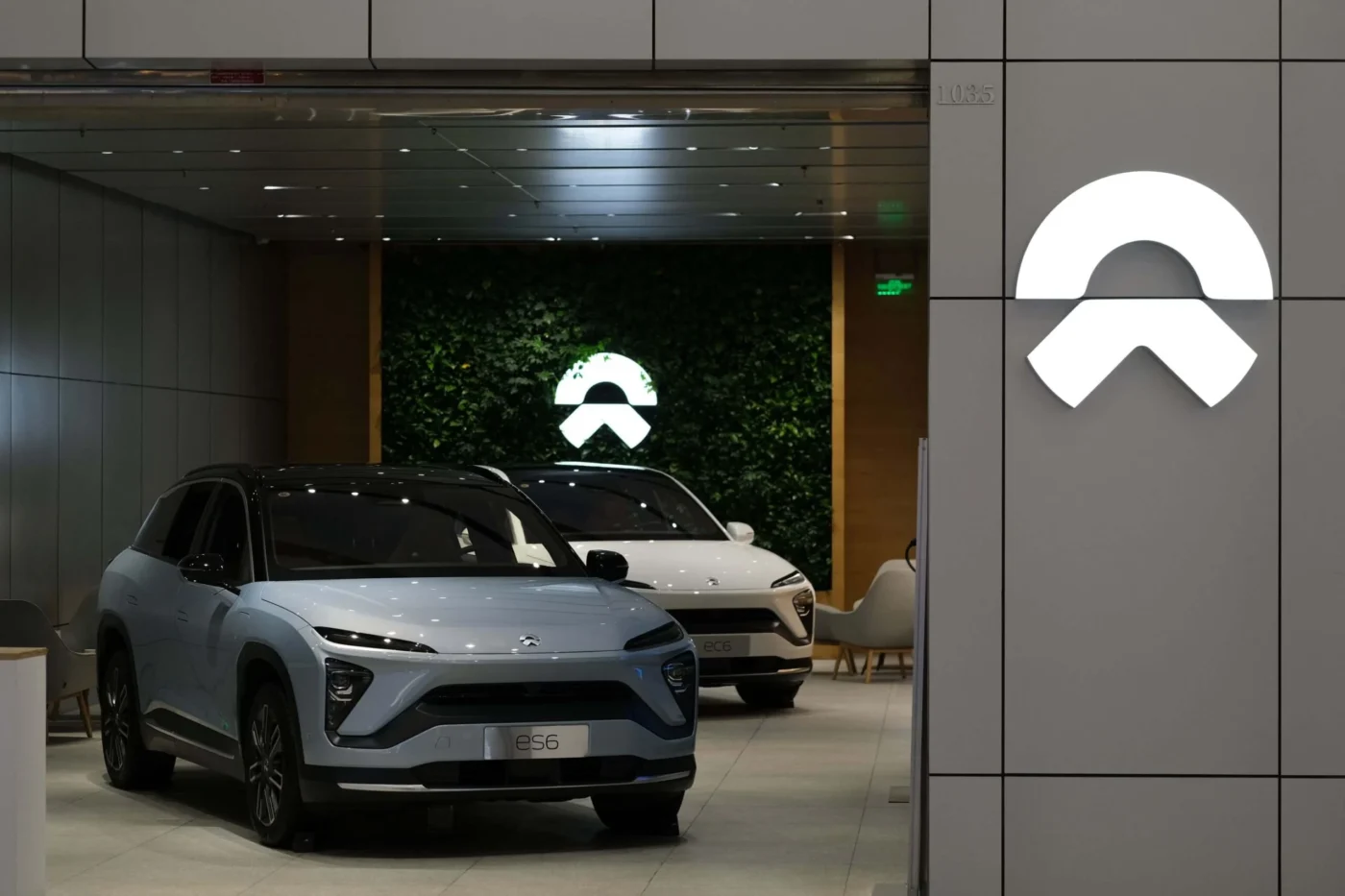
NIO reported April deliveries of 29,356 vehicles, falling short of March’s 35,486 figure while surpassing the 23,900 units delivered in April 2025 — representing solid year-over-year growth of 22.8%.
The monthly breakdown revealed 19,024 deliveries from the flagship NIO brand, 5,352 units from the Onvo family vehicle line, and 4,980 from the compact-focused Firefly brand. The company’s all-time delivery count reached 1,110,413 vehicles through April 30.
NIO stock experienced a decline of roughly 4.6% during Friday’s opening hours following the announcement.
The market’s negative response appears particularly harsh considering the stock entered Friday’s session with year-to-date gains of 25% and a 58% advance over the trailing twelve months. Throughout the past year, NIO has distributed 372,855 vehicles — representing a substantial 54% increase compared to the previous twelve-month period.

Investor expectations, however, had climbed significantly higher.
Competitive Landscape Shows Similar Monthly Weakness
Li Auto reported April deliveries totaling 34,085 vehicles, representing a decrease from March’s 41,053 but marginally exceeding the 33,939 units from April 2025. Its shares gained 0.7% on Friday. Nevertheless, Li Auto has underperformed relative to peers — advancing only 5% year-to-date while declining 27% over the past year. The company’s trailing twelve-month deliveries reached 408,767 vehicles, down 22% year-over-year.
XPeng emerged as the sole bright spot regarding sequential growth. The automaker delivered 31,011 vehicles in April, climbing from March’s 27,415. This figure, however, fell short of the 35,045 units delivered in April 2025. XPeng shares traded flat on Friday and remain down 20% for the year.
Collectively, the three automakers delivered 94,452 vehicles in April — declining from March’s 103,954 and registering merely 2% growth versus April 2025.
Chinese EV Sector Confronts Saturation Challenges
The underlying narrative points to decelerating momentum in China’s electric vehicle marketplace. Market leader BYD reported 147,601 battery-electric vehicle sales in March — an 11% year-over-year contraction. BYD has yet to release April figures. Significantly, exports represented 40% of BYD’s March volume, indicating domestic market weakness exceeds what topline figures suggest.
China’s overall new vehicle sales contracted during the first quarter. Battery-electric vehicles currently represent roughly 30% of the country’s new car market. When including plug-in hybrid models, electrified vehicles approach 50% market penetration. At these elevated adoption levels, the period of rapid expansion has concluded.
The American market faces distinct headwinds. The $7,500 federal tax incentive for electric vehicles lapsed in September, increasing consumer costs. First-quarter U.S. EV sales plummeted 27% year-over-year, comprising approximately 6% of total new vehicle sales.
Tesla shares edged up 0.3% on Friday. The S&P 500 advanced 0.5% while the Dow Jones Industrial Average gained 0.4%.
NIO’s lifetime delivery total stood at 1,110,413 vehicles as of April 30, 2026.
Get 3 Free Stock Ebooks
Discover top-performing stocks in AI, Crypto, and Technology with expert analysis.
- Top 10 AI Stocks - Leading AI companies
- Top 10 Crypto Stocks - Blockchain leaders
- Top 10 Tech Stocks - Tech giants



