


Key Takeaways
- Russia’s dominant financial institution, Sberbank, has completed preparations to launch cryptocurrency custody and trading platforms for its massive 110 million customer base, contingent on central bank authorization.
- Retail investors without qualified status will face annual cryptocurrency purchase restrictions of approximately $4,000 according to proposed regulatory guidelines.
- Privacy-oriented digital currencies including Monero, Zcash, and Dash will face complete prohibition under the emerging regulatory structure.
- The financial giant has already executed crypto-collateralized financing for mining company Intelion last December and intends to broaden this lending initiative.
- Russian authorities target June for completing cryptocurrency legislation, with full enforcement scheduled for July 1, 2027.
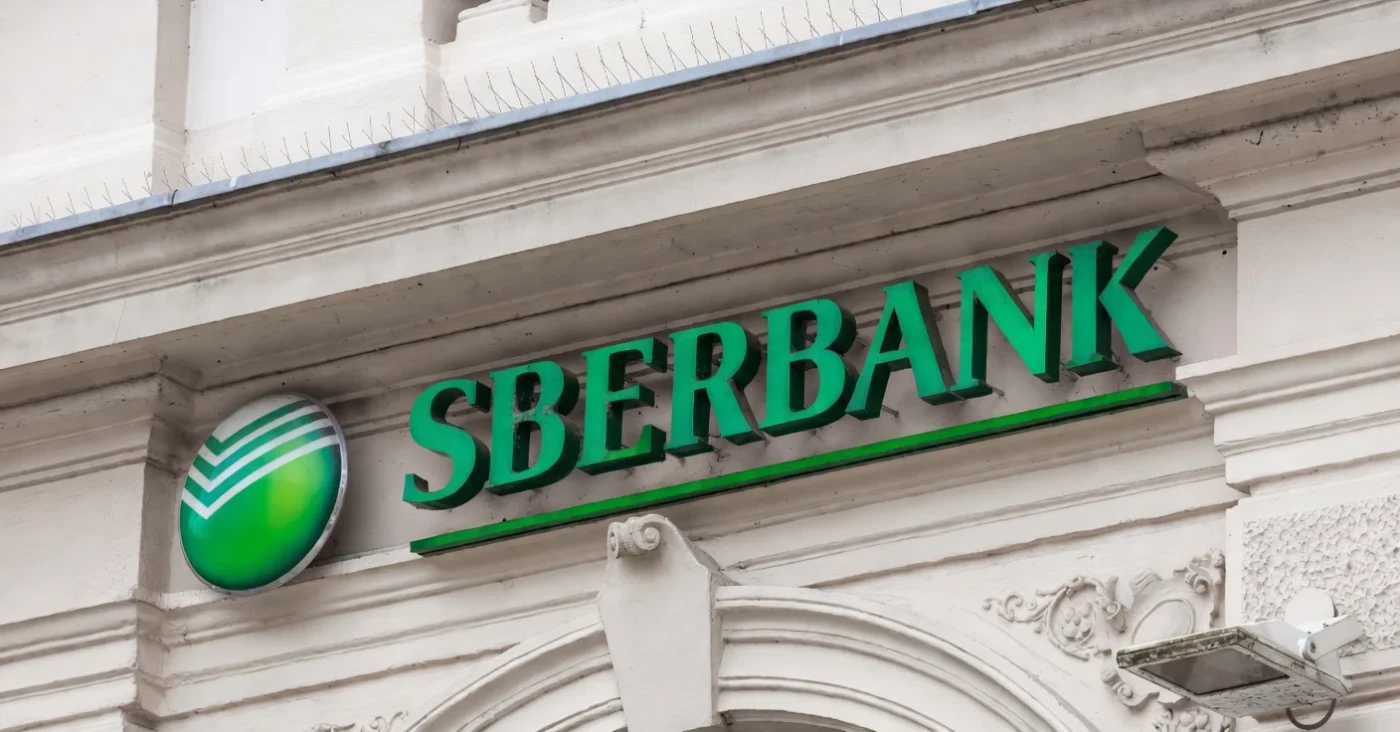
Russia’s dominant financial institution stands poised to launch cryptocurrency services, requiring only final regulatory authorization before rolling out digital asset trading and custody capabilities to its extensive client network.
With a customer base exceeding 110 million retail clients, Sberbank operates under majority state ownership. Bank officials confirm that all necessary technological systems have been deployed and are operational, ready to deliver margin trading capabilities, artificial intelligence-driven investment tools, and robust custody solutions immediately upon regulatory confirmation.
The announcement came from Senior Vice President Ruslan Vesterovsky during a presentation at the Moscow Exchange forum. He emphasized that establishing formal exchange trading mechanisms would introduce enhanced liquidity and narrower bid-ask spreads to the marketplace. Vesterovsky stressed the institution’s readiness for rapid deployment once structured trading regulations receive official approval.
While Russia’s Central Bank maintains its classification of digital currencies as elevated-risk instruments, it has permitted restricted deployment of crypto assets within specific financial system parameters. Sberbank’s current cryptocurrency operations demonstrate the institution is already functioning within the boundaries of existing permissions.
Last December, the bank executed one of Russia’s inaugural cryptocurrency-backed financing arrangements with Intelion, a cryptocurrency mining enterprise. Intelion controls over 300 megawatts of electrical capacity and maintains approximately 1,500 active clients. Following this transaction, Sberbank revealed intentions to extend comparable financing products to additional corporations.
Framework Details for Cryptocurrency Access
Russian legislative bodies are advancing toward completing comprehensive cryptocurrency regulatory standards by June. Should the timeline proceed as planned, these regulations would become enforceable beginning July 1, 2027.

The draft legislation permits both certified and non-certified investors to participate in cryptocurrency transactions. Non-certified investors would encounter yearly purchase ceilings of roughly 300,000 rubles, equivalent to approximately $3,934. Additionally, these investors must successfully complete an appropriateness evaluation before receiving trading authorization.
Certified investors would operate without volume constraints, though they remain obligated to complete mandatory risk disclosure procedures.
The approved asset roster is anticipated to encompass Bitcoin and Ethereum. The central bank maintains explicit restrictions prohibiting digital currency utilization for domestic payment transactions within Russian borders.
Prohibited Cryptocurrency Categories
Privacy-centric digital currencies face total exclusion from both investment classifications. Monero, Zcash, and Dash all appear on the banned list within the proposed regulatory structure due to anti-money laundering enforcement priorities.
The legislation additionally establishes sanctions for unauthorized intermediary operations in cryptocurrency markets. These penalties align with current sanctions applicable to illegal banking activities, providing licensed institutions such as Sberbank with enhanced legal clarity.
The regulatory framework establishes distinct categories separating retail participants from qualified investors. This tiered approach constrains exposure for general investors while providing seasoned market participants with expanded flexibility.
Sberbank’s cryptocurrency market participation depends directly on the completion of regulations drafted in December. The institution has already scaled its crypto-collateralized lending operations and continues developing its platform infrastructure to accommodate additional corporate clients.
Russian cryptocurrency regulation finalization remains targeted for June, with comprehensive implementation scheduled for mid-2027.
Get 3 Free Stock Ebooks
Discover top-performing stocks in AI, Crypto, and Technology with expert analysis.
- Top 10 AI Stocks - Leading AI companies
- Top 10 Crypto Stocks - Blockchain leaders
- Top 10 Tech Stocks - Tech giants



