


TLDR
- United States crypto ATM fraud resulted in $333 million in losses during 2025.
- Federal authorities documented over 12,000 fraud complaints from January through November 2025.
- Reports of crypto ATM scams surged by 33% year-over-year.
- CertiK identified AI deepfake technology as a key tool scammers employ for social engineering.
- Senior citizens represented approximately 86% of all crypto ATM fraud losses in 2025.
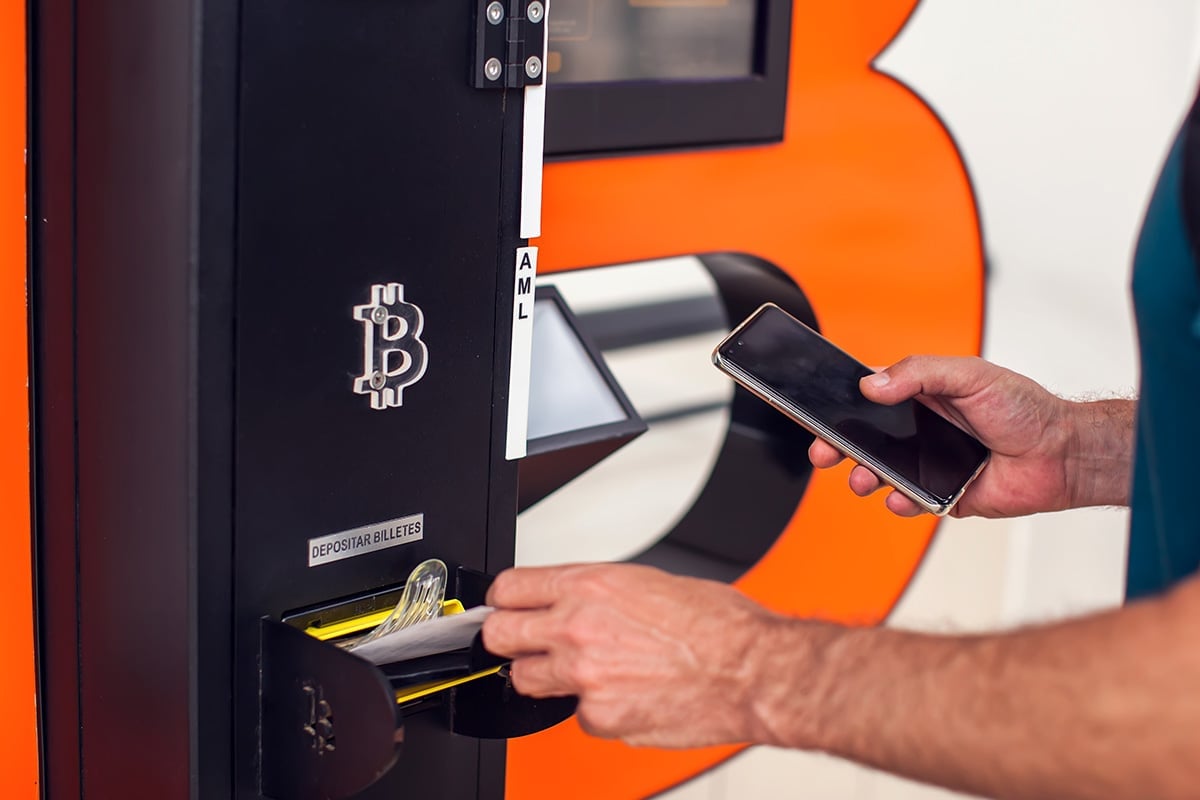
Cryptocurrency ATM fraud in the United States generated $333 million in losses throughout 2025, CertiK data reveals. Federal authorities processed more than 12,000 fraud reports from January to November, representing a 33% year-over-year surge. CertiK’s analysis shows organized criminal enterprises deployed sophisticated AI deepfake technology to streamline their extraction operations.
Cryptocurrency kiosk fraud complaints surge as machines facilitate instant cash-to-digital currency conversions
CertiK identified crypto ATM fraud as one of the most rapidly expanding financial crime sectors across the United States. Federal authorities documented more than 12,000 complaints during the initial eleven months of 2025. This total represents a 33% increase compared to the prior year.
CertiK’s research highlights how criminals leverage the “speed and pseudonymity” features of crypto ATMs for rapid fund transfers. The blockchain security firm noted that kiosks facilitate cash-to-crypto conversions in fewer than five minutes while requiring minimal identity verification. This functionality establishes these machines as the “lowest-friction extraction channel available to scammers,” according to the report.
The United States operates 78% of the globe’s 45,000 cryptocurrency kiosks, CertiK data shows. This geographic concentration provides criminal organizations with extensive physical infrastructure for their operations. Consequently, fraud rings expand their activities across numerous jurisdictions.
CertiK highlighted an “attribution gap” inherent in crypto ATM transactions. Blockchain ledgers document transfers between operators and destination wallets while omitting victim identification data. Law enforcement agencies must therefore secure court orders to obtain operator transaction records during investigations.
The firm emphasized that crypto ATM fraud depends exclusively on social engineering methodologies. Criminals direct victims to visit kiosks and execute transactions willingly. This approach differs from phishing attacks that compromise private keys or manipulate contract approvals.

Artificial intelligence deepfakes and coordinated crime rings amplify crypto ATM fraud operations
CertiK documented that AI-powered social engineering schemes produced 4.5 times greater returns than conventional fraud methods in 2025. The security firm observed criminals incorporating “real-time deepfake synthetic media” into their operational frameworks. This technological advancement represents the most significant “near-term escalation” in fraud methodology.
The analysis revealed that AI systems harvest social media information to enable personalized victim targeting. Criminals develop customized scripts that replicate the communication patterns and visual characteristics of trusted individuals. CertiK indicated these capabilities support hyper-targeted victim engagement.
Senior citizens comprised approximately 86% of documented crypto ATM fraud losses, the firm reported. CertiK connected this demographic pattern to factors including accessible savings, limited cryptocurrency knowledge, and social isolation. The firm also detected increasing incidents involving younger demographics.
Younger demographics frequently encounter romance or investment fraud schemes termed “pig butchering.” CertiK catalogued government impersonation, technical support deception, grandparent scams, and fraudulent recovery services as additional prevalent tactics. These strategies ultimately direct victims toward depositing funds through crypto ATMs.
CertiK noted that perpetrator profiles evolved from individual operators to organized transnational criminal enterprises. The firm described these groups as functioning with corporate-style operational divisions. Such organizations are “industrializing ATM-based extraction at unprecedented scale,” the report stated.
During September 2025, Senator Cynthia Lummis indicated that market structure legislation could combat crypto ATM fraud. She emphasized that policymakers should penalize malicious actors while preserving innovation. Senator Dick Durbin introduced the Crypto ATM Fraud Prevention Act in February 2025 to establish enhanced protections for kiosk users.
Get 3 Free Stock Ebooks
Discover top-performing stocks in AI, Crypto, and Technology with expert analysis.
- Top 10 AI Stocks - Leading AI companies
- Top 10 Crypto Stocks - Blockchain leaders
- Top 10 Tech Stocks - Tech giants



